New Year's in Rio de Janeiro and other adventures in Brazil
Travel dates: December 27, 2027 – January 10, 2028 (without rest)
December 27, 2027 – January 13, 2028 (with rest on the island of Tinjare)
For today, October 20, 2026, 7 places from 8 are available on this tour.
Celebrating New Year's in Rio de Janeiro is a vibrant and enchanting spectacle, attracting tourists from all over the world to Brazil. Many dream of New Year's Eve on the ocean shore, illuminated by thousands of fireworks, surrounded by white-clad people dancing to vibrant music. That's why we decided to time our Brazilian trip to coincide with the New Year. But Brazil isn't just about Rio! It boasts some of the world's largest waterfalls, stunning natural beauty, and a multitude of fascinating cities, some of which have been designated UNESCO World Heritage Sites for their historical and architectural heritage. Most travel agencies offering New Year's tours to Brazil limit themselves to visiting Rio de Janeiro, the Iguazu Falls, and relaxing on the beach. We consider it unforgivable to take a long and expensive flight across the ocean to visit just two or three places, so we've created an expanded itinerary that includes visits to several regions of the country. We'll visit many places you won't find on standard New Year's tours, including cities with preserved colonial architecture, major metropolises, and picturesque beaches. A significant portion of the trip will be by car, allowing us greater flexibility in planning our trip, making stops at favorite places, adjusting the route along the way, observing local life, and soaking up the atmosphere.

In some places, we've opted to forego taxis and transfers in favor of public transportation. This will not only reduce the cost of the trip but also allow us to better immerse ourselves in the country's unique character. We plan to be prudent in our choice of accommodations, favoring logistically convenient locations over unnecessary luxury. This journey is hardly a "tour" where we invite "clients"; rather, we're seeking fellow travelers willing to share the joy of discovering a new country with us, prepared for early mornings, long drives, and hiking.
Trip organizers:

VICTORIA SHATALOVA
A professional traveler and tour organizer with 17 years of experience. She has visited 40 countries around the world and 83 regions of Russia. She has organized and participated in numerous hikes, rafting trips, car trips, and ascents, including an ascent of the highest and most dangerous volcano in Eurasia, Klyuchevskaya Sopka (4,850 m), as well as ski trips in the Northern and Subpolar Urals, the Murmansk Region, and the Kuznetsk Alatau... Read more
EVGENY ANDROSOV
A professional traveler, climber, mountain guide, and tour instructor with 37 years of experience. He has visited every continent, 83 country, and 74 region of Russia. He has organized hundreds of solo trips, expeditions, hikes, and ascents, and created numerous new, unique tourist routes. Read more
Itinerary day by day:
Arrival in Foz do Iguaçu
We'll begin our exploration of Brazil with one of the country's most iconic landmarks – the Iguaçu Falls. To get there, fly to Foz do Iguaçu Airport. We'll meet there and head to the hotel for a restful night.
We'll spend the night in Foz do Iguaçu.
Foz do Iguaçu – Bird Park - Iguazu Falls (Brazilian Side)
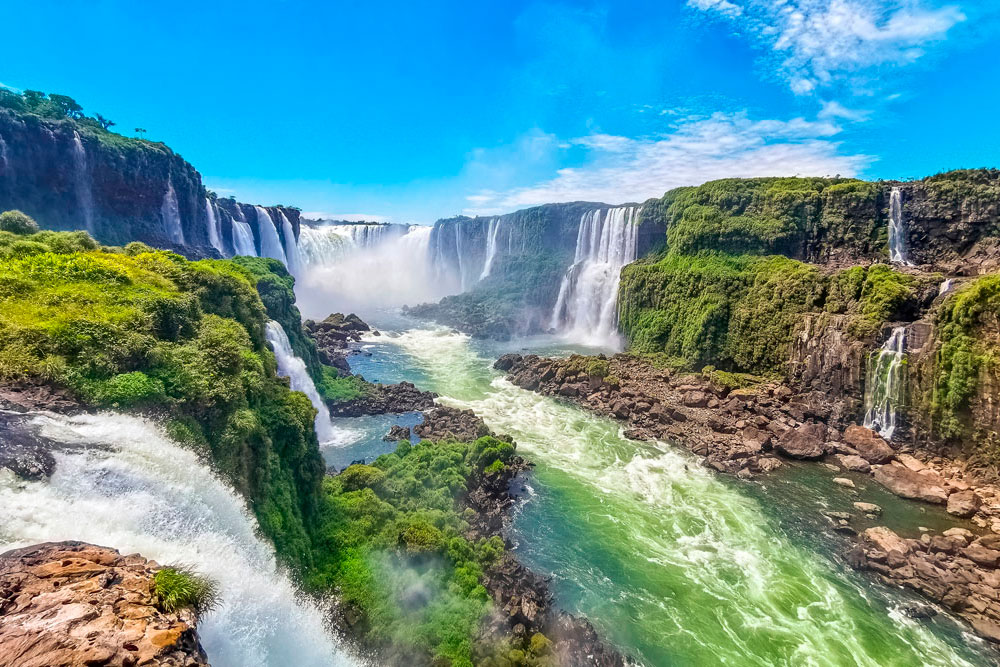
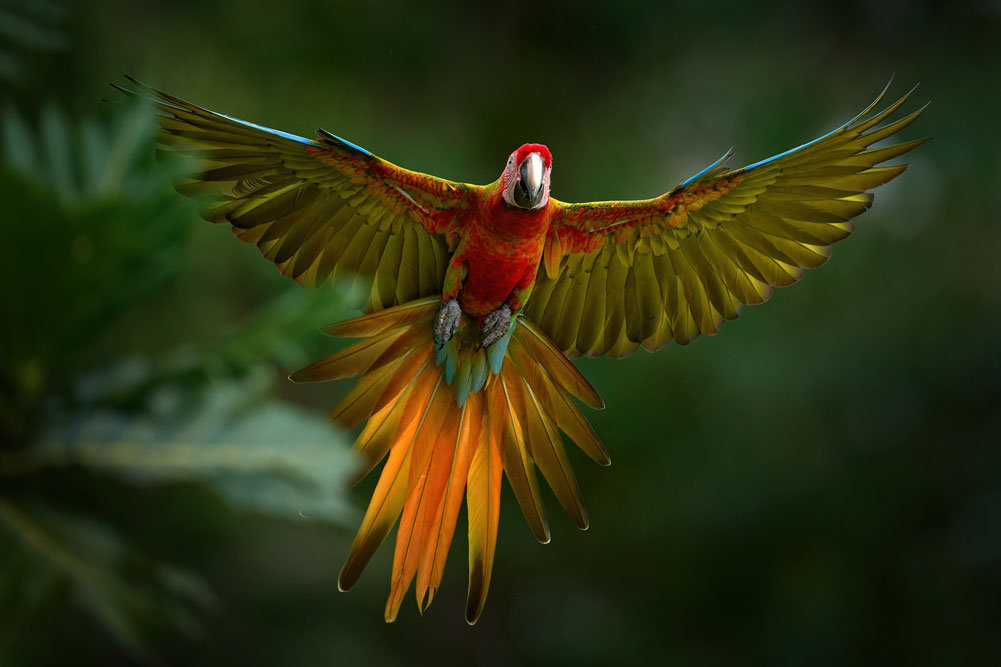
The Iguazu Falls are located on the border of three countries: Brazil, Argentina, and Paraguay. Today we'll explore the Brazilian side. Before heading to the falls, we'll visit the bird park, the largest in South America. The park is home to over 1,000 exotic birds of approximately 13 species. The birds aren't kept in zoo-like cages, but fly freely in spacious enclosures surrounded by forest vegetation. Seeing such a diversity of birds in the wild, especially at such close range, is extremely rare, but the park makes it possible.
After admiring the birds, we head to the falls. The entrance to the national park where they are located is just 400 meters from the bird park. Within the National Park, you can see the world's largest waterfall by volume from various vantage points. Some vantage points are accessible by bus, which is included in the park admission price, while others require a walk. After exploring the waterfalls from all angles, we return to the hotel.
We spend the night in Foz do Iguaçu.

Foz do Iguaçu - Iguazu Falls (Argentinian side)
Today's goal: to see the famous falls from the other side, we need to enter Argentina. Crossing the border isn't difficult. Just take a regular bus departing every 40 minutes from the station in Foz do Iguaçu, get off twice, show your documents, and then we're no longer in the neighboring country (the journey itself takes less than an hour). The journey to the National Park itself takes another 20 minutes by bus. The Argentinian park is significantly larger than the Brazilian side. A small train runs from the park entrance to the central platform, and from there you can follow three different routes (two on foot and one by train). We plan to cover everything in one day, as the views will vary significantly and are guaranteed to be stunning. A boat ride in the immediate vicinity of the falls is optional and available for an additional fee. After exploring the Argentinean waterfalls, we return to the Brazilian side. We'll rest briefly at the hotel, after which we'll catch a late evening or early morning flight to Rio de Janeiro. At the time of writing, the exact flight schedule is unknown, but if available, we suggest choosing an evening or overnight flight to be ready to explore Rio de Janeiro in the morning.
Overnight in Foz do Iguaçu or Rio de Janeiro (depending on flight time).
Rio de Janeiro: City Sights – Sugar Loaf Mountain
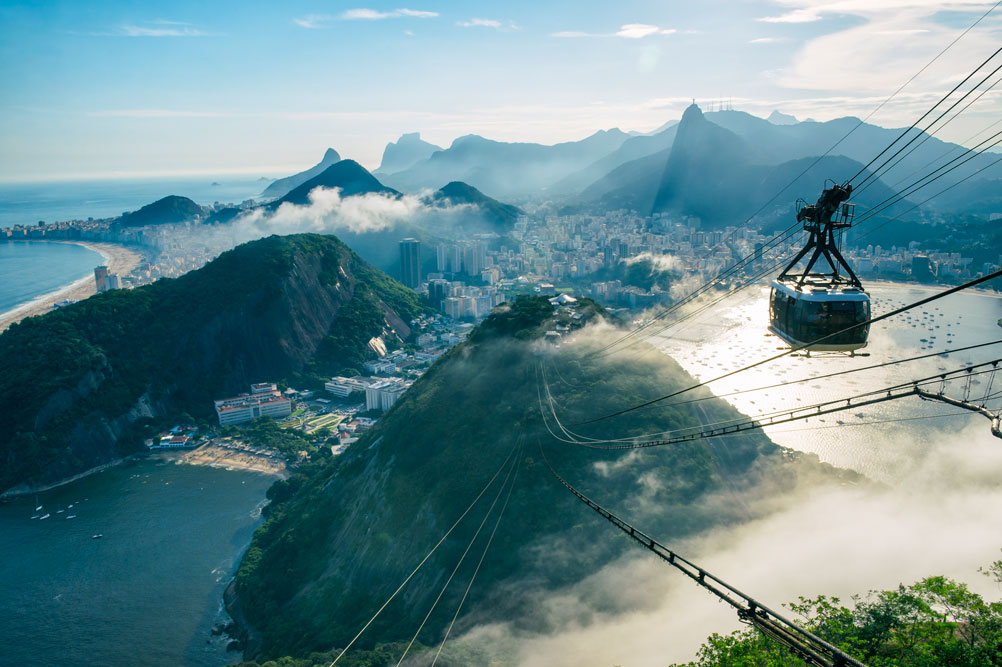
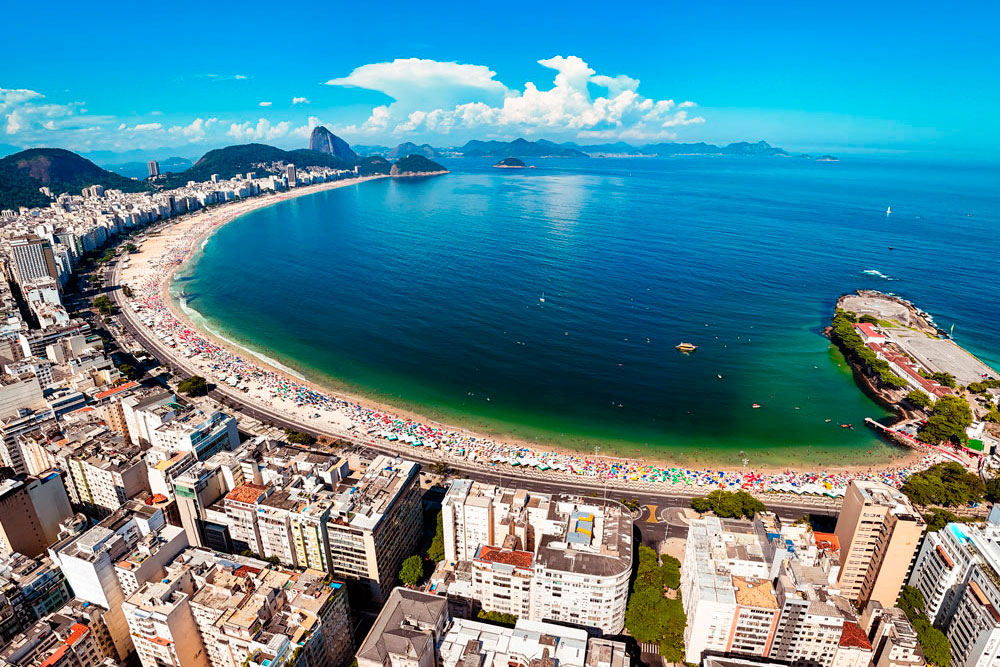
We begin our exploration of Rio de Janeiro. We'll stroll through the city and see landmarks such as the Selarón Steps, the Cathedral of St. Sebastian, the Carioca Aqueduct, the Monastery of St. Benedict, the Ilha Fiscal Castle, and more. We'll also visit the summit of Sugar Loaf Mountain, one of Brazil's most recognizable peaks. It received its unusual name for its striking resemblance to the shape of a traditional sugar bar, the form in which sugar was sold in the 16th century. Located at the entrance to picturesque Guanabara Bay, it rises 396 meters above sea level and is an integral part of the cityscape. The ascent to the mountain is divided into two stages. First, we'll climb Mount Urca, a wide observation deck offering views of Sugar Loaf Mountain and the picturesque surrounding area. You can ascend Urca Mountain by cable car or along a scenic, well-equipped trail through the tropical forest (incidentally, you can encounter small monkeys and beautiful tropical butterflies in the forest). You can decide which route you prefer on the spot. Another cable car with stunning views leads from Urca Mountain to Sugar Loaf Mountain. From the Sugar Loaf observation deck, you can enjoy stunning views of Rio, Copacabana Beach, the bay, the surrounding mountains, the islands in the ocean, the bridge to Niterói, and the Christ the Redeemer statue.
Overnight in Rio de Janeiro.
Rio de Janeiro: Christ the Redeemer Statue – New Year's Eve
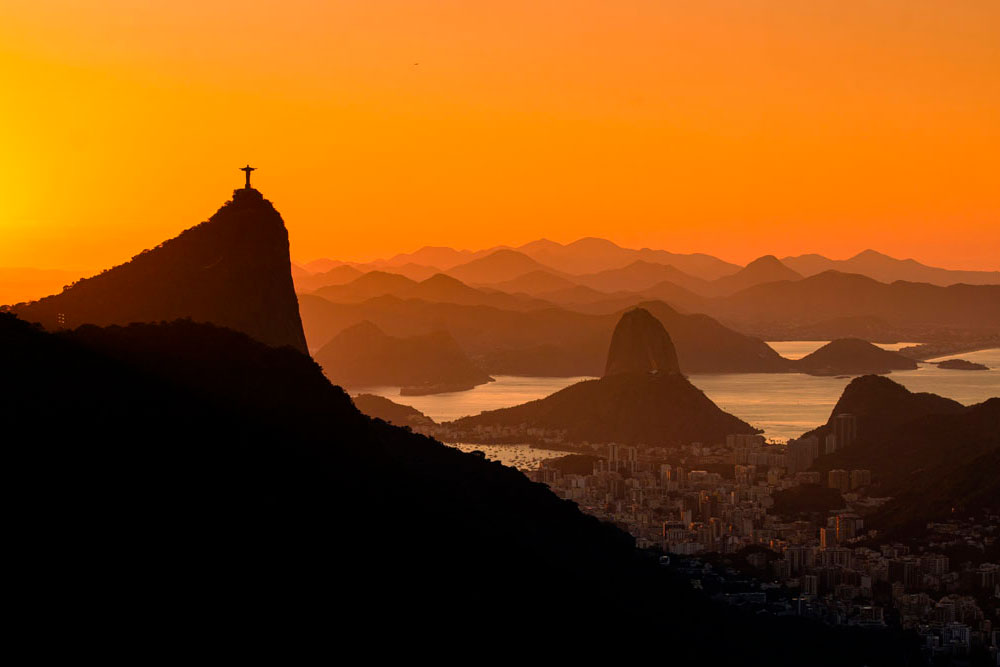
We'll start the morning by exploring a landmark that is truly the city's calling card. We'll head to the Christ the Redeemer statue, located on Corcovado Hill, which offers a picturesque panorama of the bay and the city. The statue was unveiled in the early 1930s, but the rack railway leading up the mountain dates back to 1884. Initially, the trains used steam traction, and in 1910, the line was electrified (interestingly, it was the first electrified railway in Brazil). We'll take this railway to the top of Corcovado Hill. We're eager to get up early to catch the first train departing at 7:20 a.m., as the Christ the Redeemer statue is a popular tourist destination, and the earlier we arrive, the shorter the lines we'll encounter. The train up the mountain winds through the jungle, offering breathtaking views of Tijuca National Park and vibrant Rio de Janeiro on both sides. We can also optionally stop at another interesting viewpoint, Mirante Dona Marta, which offers a more secluded view of the city and the Christ the Redeemer statue. We'll have the evening free to rest and prepare for the New Year's Eve.
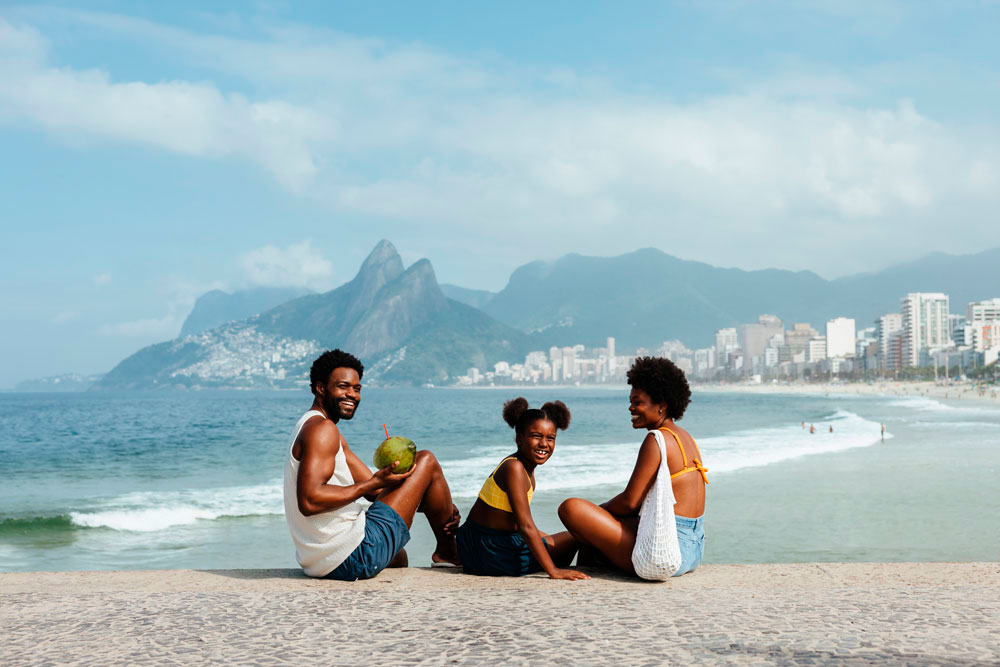
New Year's Eve activities in Rio de Janeiro take place on Copacabana Beach, where tourists from all over the world gather to watch the famous fireworks display over the ocean, launched from platforms directly in the water. The mesmerizing fireworks display is enhanced by Brazilians traditionally celebrating the holiday in white. Many come to the beach with flowers, which they float out to sea on small boats as an offering to the goddess of water, Iemanja. The fun, with music, dancing, and performances, continues on the beach all night long. Admission is free and open to anyone, but it's best to arrive early to secure a good spot. Traffic is limited on New Year's Eve, so to get to the beach, you'll need to take the metro or walk.
We'll spend the night in Rio de Janeiro.

Rio de Janeiro - Ouro Preto
Today we have a relatively long drive to Ouro Preto, 410 km from Rio de Janeiro.
Ouro Preto is a small, historic city in eastern Brazil. In the 17th century, rich gold and diamond deposits were discovered here, and the city became the center of the Brazilian Gold Rush. The city is now a UNESCO World Heritage Site thanks to its preserved historic architecture. It is a museum city with steep, narrow streets and picturesque houses decorated with colorful signs, basilicas, museums, galleries, hotels, cafes, and souvenir shops. We will spend most of the day on the road. Upon arrival in the city, we will check into a hotel and take a stroll.
We will spend the night in Ouro Preto.
Ouro Preto
Today we'll explore the sights of Ouro Preto, devoting a full day to the city. We'll visit several ancient churches, including the Church of San Francisco d'Assisi, a masterpiece by the great sculptor and architect Aleijadinho, one of the most prominent artists of colonial America. We'll see the mansions of wealthy miners with their elegant facades and courtyards, as well as government buildings. All this architectural beauty is blended into the picturesque natural landscape. The city is nestled on hills, adding an extra touch of charm to the views from its numerous observation decks.
The city has many museums, among which the most interesting are the Slavery Museum, the "Prospector's House" of the gold mine, and the underground mine located near the city, which was used for gold mining in the 18th and 19th centuries and is now a tourist attraction.
We spend the night in the city of Ouro Preto.
Ouro Preto - Belo Horizonte
We say goodbye to Ouro Preto and head to Belo Horizonte, about 100 km away.
Belo Horizonte is the capital of the state of Minas Gerais, the fourth largest city in Brazil, and one of the country's major industrial and commercial centers. Our main destination is the airport, from which we'll fly tomorrow to Recife for our next trip. However, it would be strange not to get at least a general impression of this large city, so we'll stop by the central Praça da Liberdade and the Pampulha Ecological Park, considered by many to be Belo Horizonte's main attraction. This prestigious low-rise development, built around the artificial Pampulha Lake in the 1940s, is a popular destination for tourists. Among the park's buildings, the works of the renowned Brazilian modernist architect Oscar Niemeyer are particularly noteworthy, the finest of which is the small Church of San Francisco d'Assisi. The church was so original and unusual that the church authorities at the time declared the building unsuitable for Catholic worship. We will also visit Papa's Square, which offers stunning views of the city.
We will spend the night in Belo Horizonte.
Belo Horizonte - Recife
In the morning, we'll fly to Recife (a 2.5-hour flight). Recife is a very large city, one of the largest in Brazil, so we'll focus on its main attractions. First and foremost, we'll explore its old district, Recife-Antigo, located on a separate island. This is where Recife's history began. Here, we'll discover cobblestone streets, the colorful facades of colonial buildings, and a historic atmosphere.
Recife grew up on islands, which is why it's often called the Venice of Brazil. During our walk through the city, we'll cross several bridges connecting the city's districts. The most interesting of these is the Maurício de Nassau Bridge, the first major bridge in Brazil, built in the 17th century during the Dutch occupation. It connects Recife-Antigo with the Santo António district. Swimming at most of Recife's beaches is not recommended, as they are considered one of the only places in Brazil where sharks attack swimmers. Therefore, it is recommended to observe the sea from a distance.
We spend the night in Recife.
Recife - Olinda - Caruaru
We'll drive to Olinda, located just 13 km from downtown Recife. This city offers a unique blend of colonial history, magnificent architecture, and lush tropical nature. Olinda's history dates back to the 16th century, when Portuguese colonizers founded a settlement here that quickly became a thriving center of the sugar industry. It is to sugar that Olinda owes its wealth and the architectural splendor that remains to this day. We'll explore Olinda's vibrant center, a UNESCO World Heritage Site. It's home to some of the city's most significant architectural monuments: the Carmo Church, Brazil's oldest church, which impresses with its majestic architecture and rich interior decoration; the São Bento Monastery, with its magnificent gold carvings and one of the most striking examples of Brazilian Baroque; and the cathedral, which towers over the city. In addition to its architecture, Olinda is famous for its artisans, who pass down their skills from generation to generation. Here you can find unique ceramics, wood, leather, and fabric items, as well as paintings depicting Olinda's life and culture.
Olinda is not only history and culture, but also magnificent nature. The city is located on hills offering breathtaking views of the ocean and the surrounding landscapes of white sand and azure water. After exploring this wonderful city, we continue our journey and head to the town of Caruaru, 140 km away.
We spend the night in Caruaru.
Caruaru - Aracaju
We'll spend the first half of the day exploring the city of Caruaru. With a population of approximately 347,000, this city is considered one of the largest cities in the interior of the state of Pernambuco and an important economic and cultural center of the region. It harmoniously blends a vibrant urban lifestyle with a traditional way of life. The city is often called the "heart of Agreste"—a unique region where the tropics meet the arid savannah.
Caruaru is known throughout the country for its vibrant markets, where you can find everything from fresh produce to unique handicrafts.
We'll climb one of the city's most iconic points, Mount Bom Jesus, which offers breathtaking panoramic views of all of Caruaru and its surroundings. We'll also visit Severino Montenegro Park, explore the city center, and explore the historic train station. After lunch, we set course for the town of Aracaju, located 410 km from Caruaru. Our goal is to arrive there by evening and spend the night.
Aracaju
We'll dedicate the day to the city of Aracaju. Here you can relax, unwind, and enjoy the endless white-sand beaches of the Atlantic Ocean. The city is famous for its Orla de Atalaia promenade, which stretches for over 6 kilometers and is considered one of the most beautiful and well-maintained in the country. In addition to the picturesque beaches, we'll visit the majestic Aracaju Metropolitan Cathedral, dedicated to the Immaculate Conception. We'll also explore the historic heart of Aracaju, Santo António Hill, which offers panoramic views of the city and the Sergipe River. The ancient Church of Santo António, one of the city's first buildings, is also located there. We'll spend the night in Aracaju.
Aracaju - Salvador
Leaving Aracaju, we'll travel 380 km to the fascinating city of Salvador. Situated on the Atlantic coast, Salvador is a true museum city, boasting picturesque cobblestone streets, historic mansions of landowners and merchants, centuries-old government buildings, and majestic cathedrals with rich interiors. For a long time, Salvador was the capital of all of Portugal's colonial territories in South America, the center of Catholicism, and a hub of the slave trade. This explains its development and the rich architectural heritage it preserves, which earned Salvador's historic center a UNESCO World Heritage Site. The city's hilly setting makes its views even more picturesque. The city's unique topography gives it the presence of such an interesting structure as the Lacerda Passenger Elevator, which connects the Upper Town, home to residential areas, with the Lower Town, home to the port facilities, markets, shops, and warehouses.
Salvador is also famous for its beautiful beaches. Porto da Barra Beach is one of the most popular and picturesque. Situated in the Bay of All Saints, its waters are calm and ideal for swimming.
We spend the night in Salvador.
El Salvador
We'll be exploring the sights of El Salvador. We'll stroll through the old town, admire the magnificent interiors of the Church of San Francisco, ride in a passenger elevator, visit picturesque beaches, and enjoy the beauty of the ocean.
We'll spend the night in El Salvador.
Salvador - Morro de São Paulo
Our main program has concluded, so those interested can head to Salvador airport for their morning flight home. However, if you'd like to complement your Brazilian trip with a few days of relaxing beach relaxation in a picturesque location, we suggest heading to the village of Morro de São Paulo, located on Tinharé Island, 60 km from Salvador. The island is a 2.5-hour ferry ride from Salvador. The island boasts picturesque beaches and is unique in that it's completely car-free—an ideal vacation spot.
Morro de São Paulo
Vacation on Tinharé Island (optional).
Morro de São Paulo – Salvador - Flight Home
Departure by ferry to Salvador and fly home late in the evening or the following day.