Skiing trip along Kodar and Chara Sands
Travel dates: March 20–29, 2027
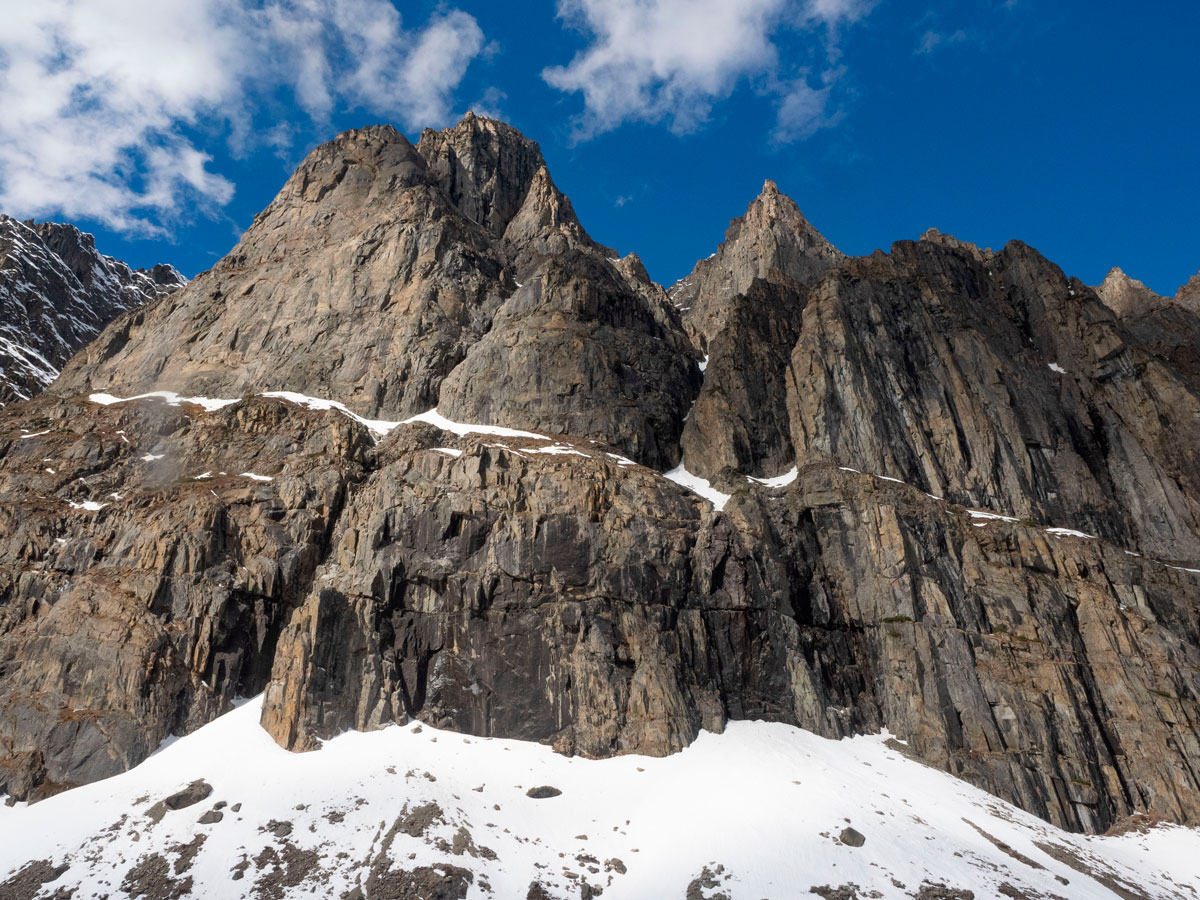
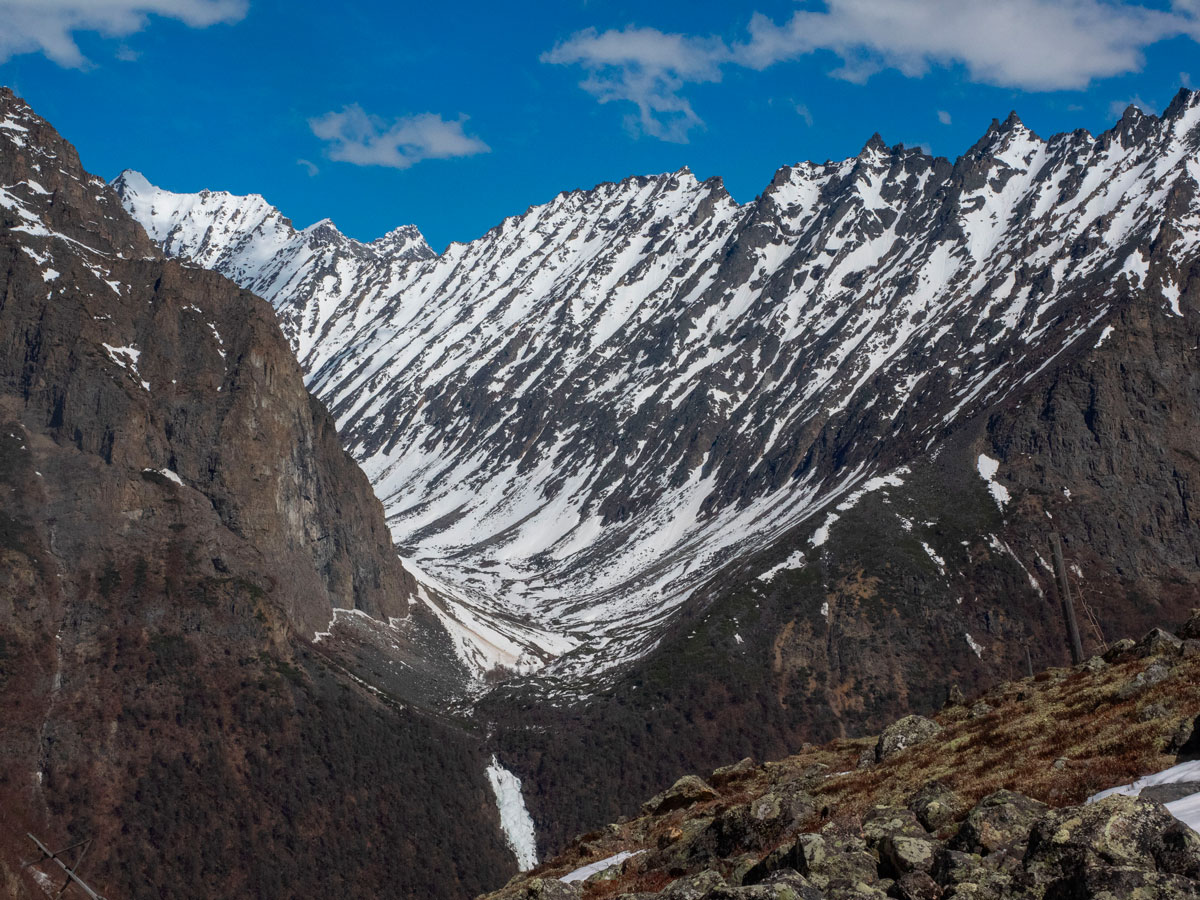
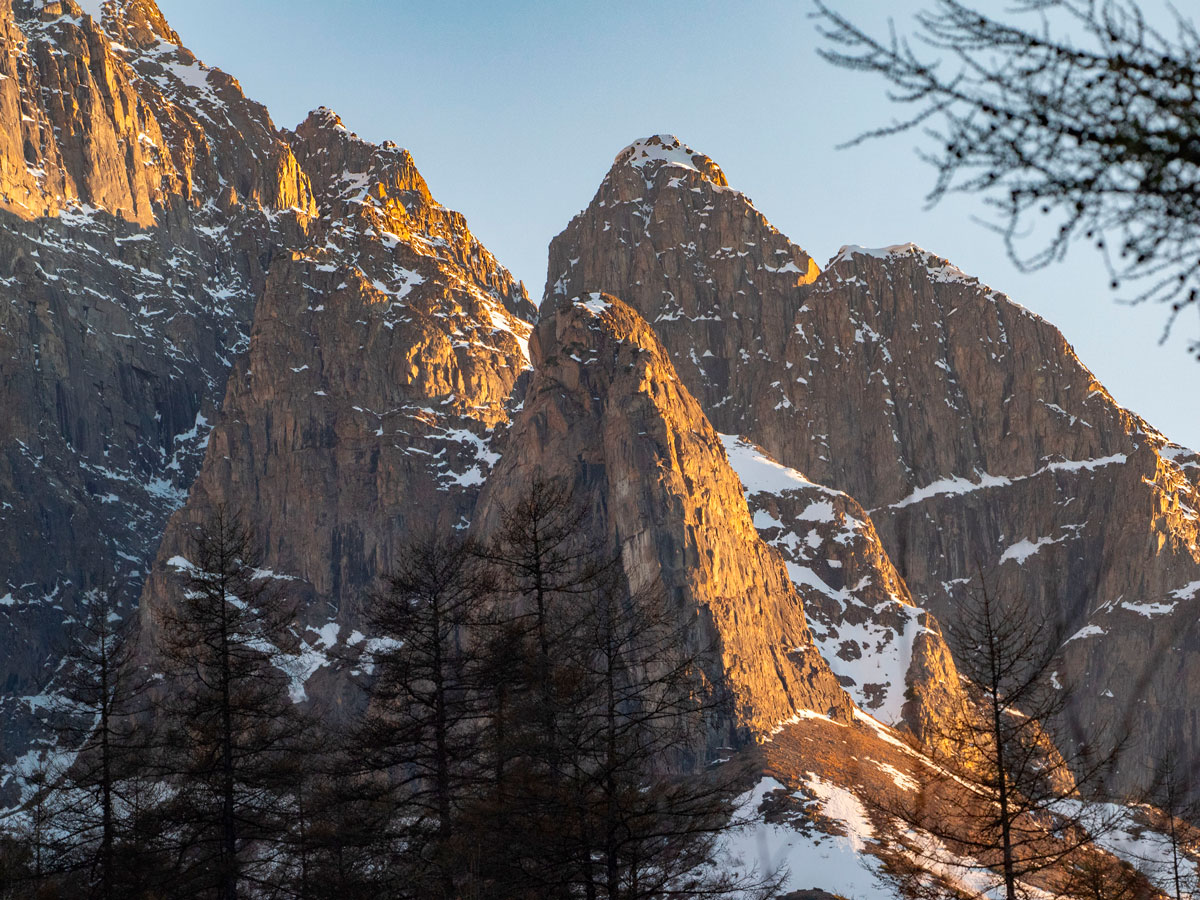
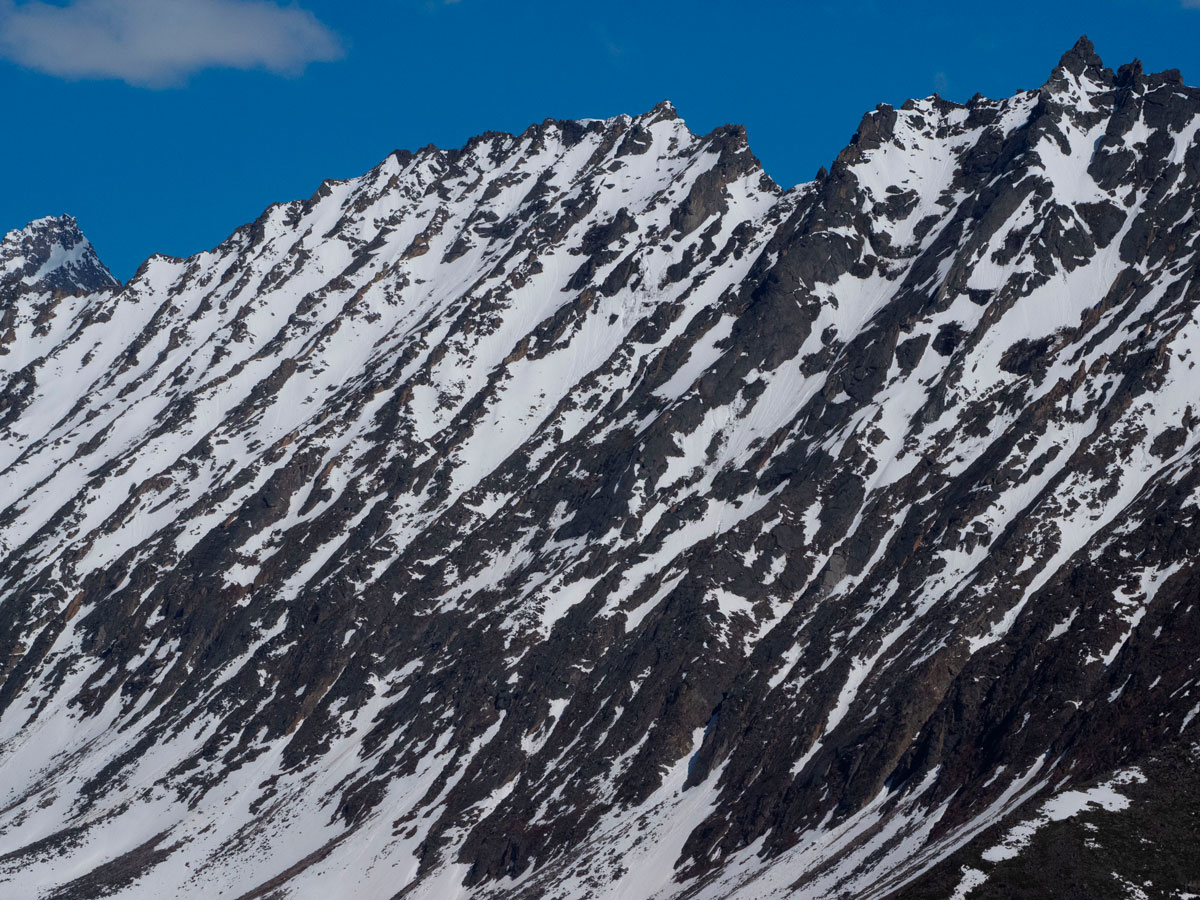
For those who have already explored all the popular ski touring routes, we offer a new and exciting route. We'll head to Transbaikalia, to Kodar National Park, to enjoy the magnificent views of the Kodar Mountains, snow-covered forests, and river valleys. This relatively easy hike is accessible to anyone with even a passing knowledge of skiing. Rather than tackling challenging passes or scrambling up dangerous slopes, we'll walk along the Sredniy Sakukan River valley, admiring the beauty of winter nature. We'll also visit the world's northernmost desert, the Chara Sands, which, partially covered in snow, look especially unique in winter.
Travel organizer:
VICTORIA SHATALOVA
A professional traveler and organizer of original trips with 16 years of experience. She has visited 37 countries around the world and 82 regions of Russia. Participant and organizer of numerous road trips, hikes, rafting trips and ascents, including ascents of Kilimanjaro (5895 m) and Elbrus from the east (5624 m), the highest and most dangerous volcano in Eurasia - Klyuchevskaya Sopka (4850 m), summer and winter ski trips in the Northern, Subpolar and Polar Urals, the Murmansk region and the Kuznetsk Alatau.... Learn more
Itinerary day by day:
Arrival at the Novaya Chara railway station. The train arrives at night, so we'll wait until dawn and take a taxi or bus to the village of Chara, where we'll begin our ski route. We'll first follow a forest road, gradually approaching the mountains. We'll pass snow-capped lakes, picturesquely surrounded by mountains, and overnight in a hut at the Dalniy Ayan campsite. The campsite offers picturesque views of the Sredniy Sakukan River valley and the mountains of the Kodar Range. We'll cover 16 km in one day.
Learn more
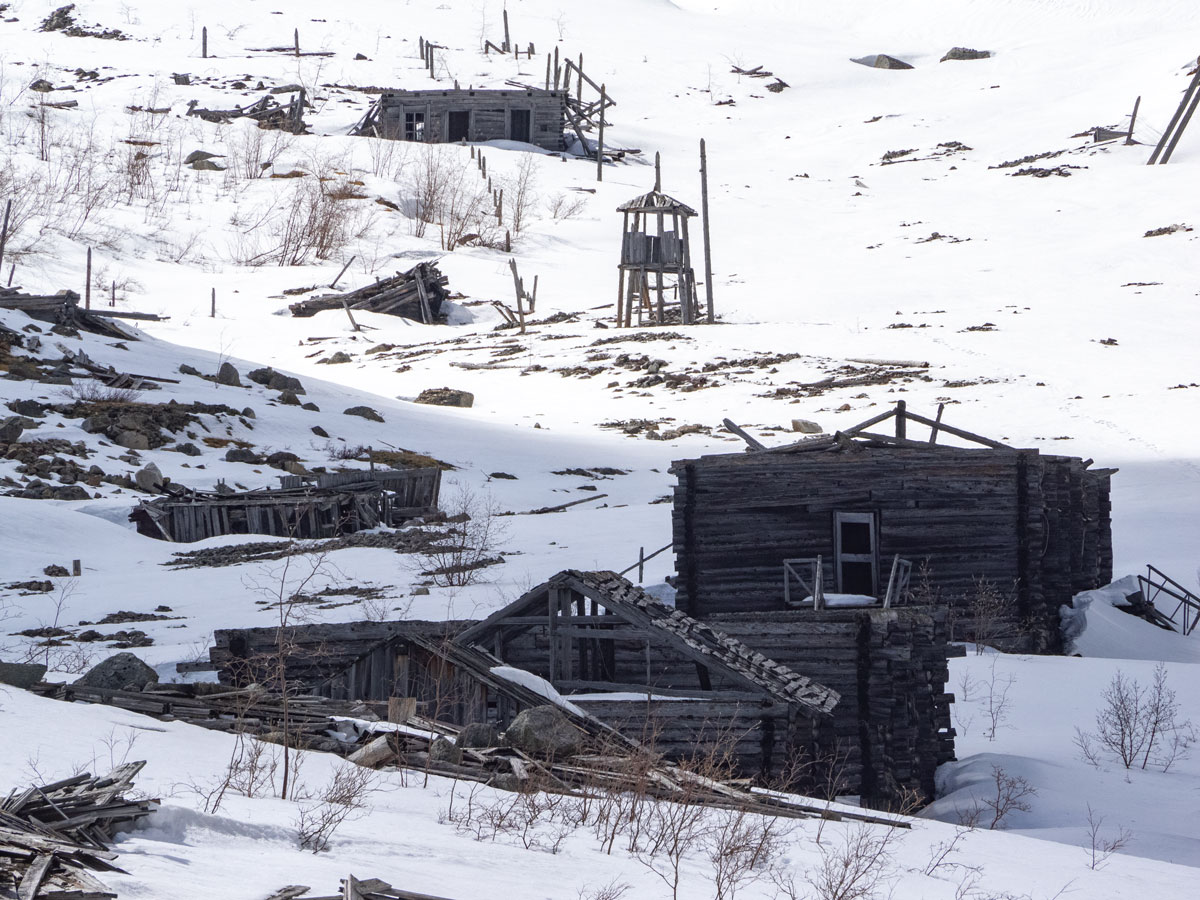
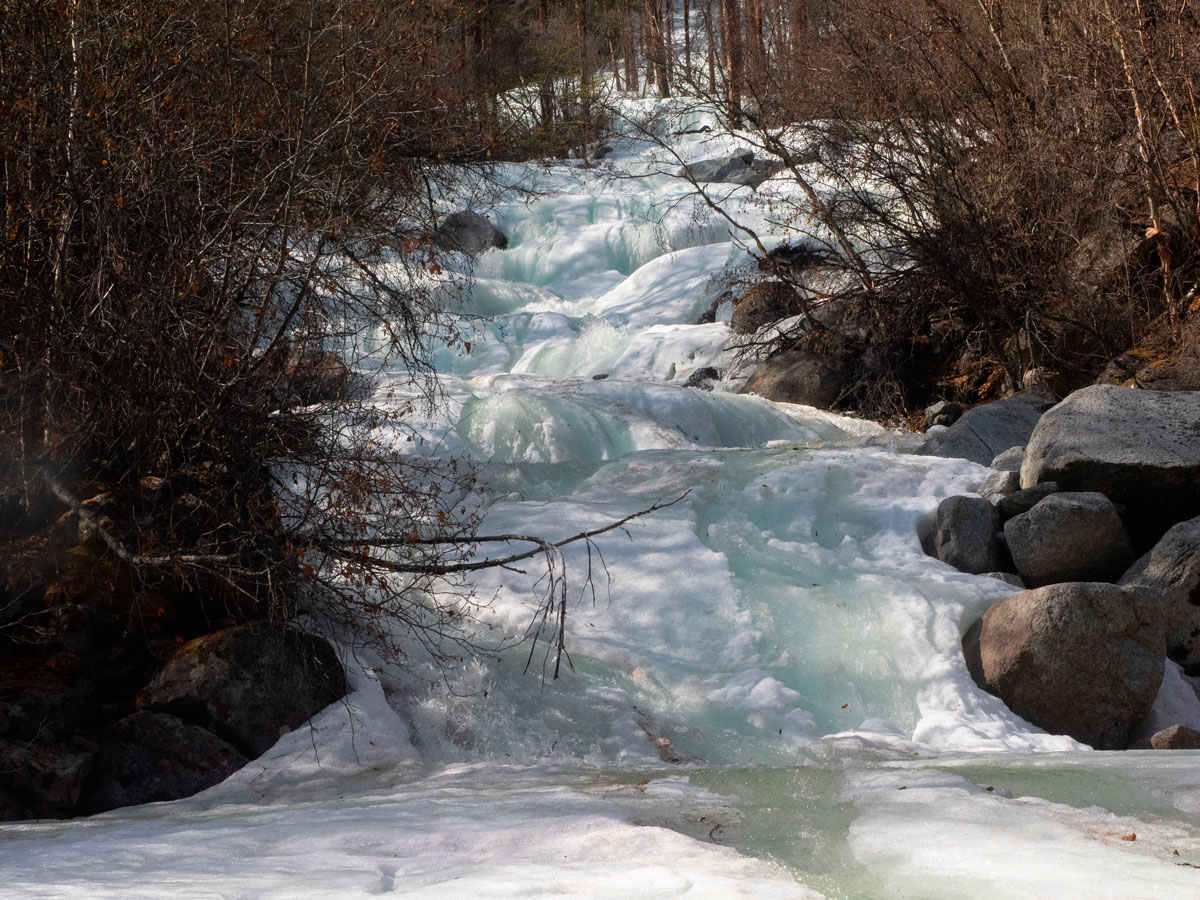
Today, our route will follow the Sredniy Sakukan River, delving deeper into a beautiful gorge between the mountains, walking through both the forest and the icy riverbed, skirting picturesque snow-covered boulders. By the end of the day, we'll pass the ruins of a former Gulag camp, Borlaga (where prisoners mined uranium ore in the late 1940s and early 1950s). We'll explore the remains of the buildings: barbed-wire fences, a watchtower, and the remains of a processing plant. After passing the camp ruins, we'll reach a beautiful spot on the banks of the Sredniy Sakukan River, where we'll spend the night in a hut.
We'll cover 14 km this day.
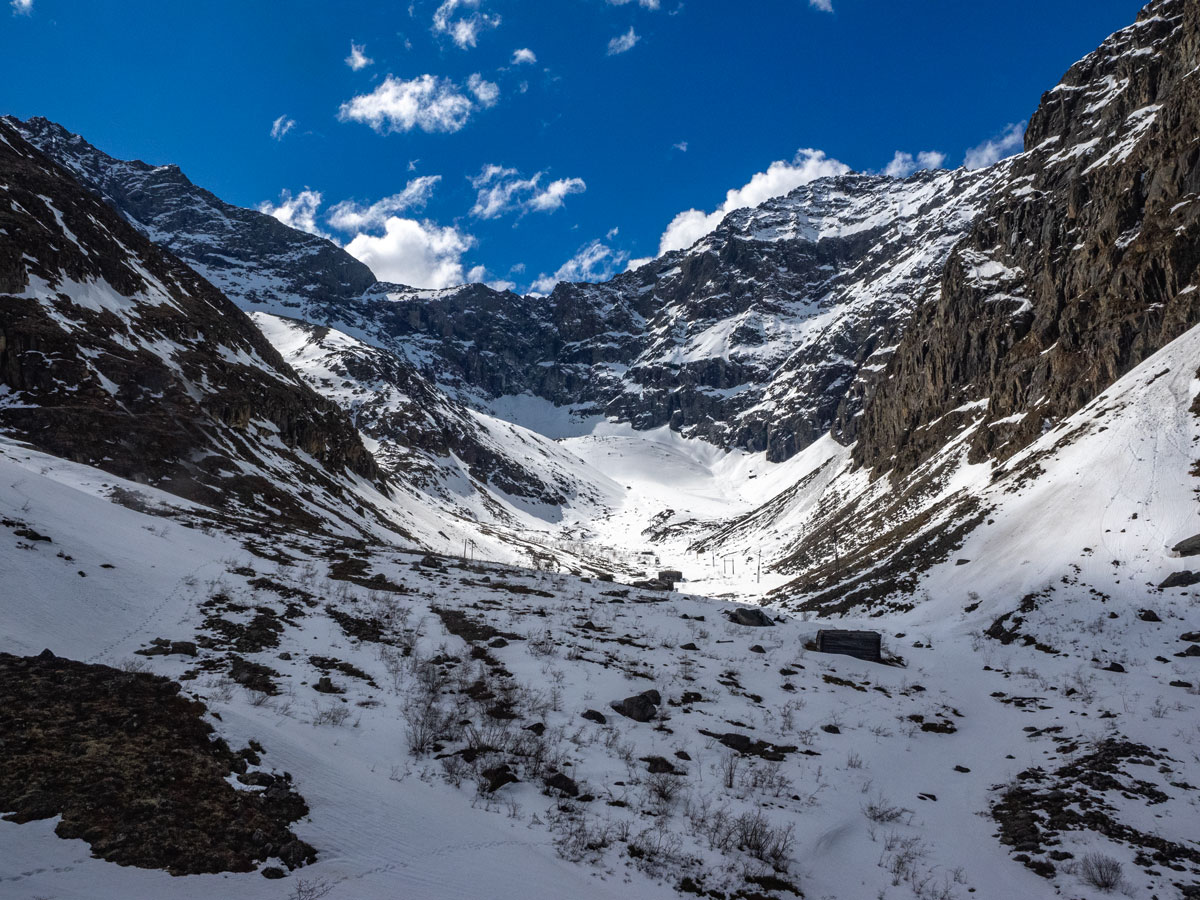
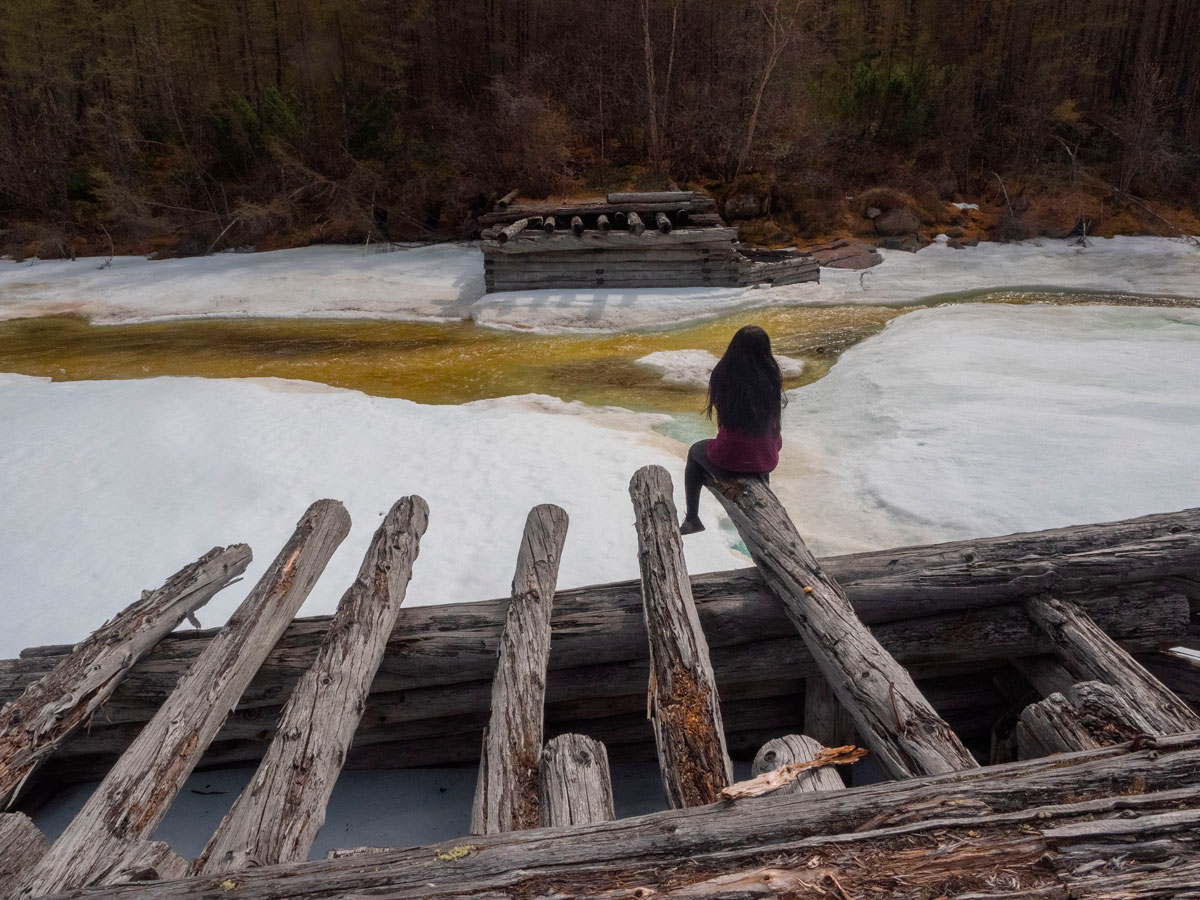
We continue our journey along the Sredniy Sakukan River. The mountains become closer and more picturesque, and the river valley narrows. Against the backdrop of snow-capped mountains, we will see stunning views of the steep banks of the riverbed and a ruined bridge made of huge logs. We will also visit the grave of Nina Azarova, an engineer-geologist with the Forest Expedition survey team, a mountain climber, and a graduate of the Novocherkassk Institute. She died at the summit of the eastern Svyazka Pass, an altitude of 2,810 meters, while prospecting for a coal seam. Next to her grave is the grave of a soldier who died at the "evil hand" almost simultaneously with Nina Azarova. We will reach a hut that once served as a weather station. Here we will stop for the night. If the hut is in good condition, we will stay in it; if not, we will pitch a tent with a stove nearby. We will cover 11 km in one day.
Today we are not packing up camp, but are making radial excursions around the surrounding area, lightly packed, and resting.
We set off on our return journey along the Middle Sakukan along the familiar route to the nearest hut. The return journey will be quicker and easier, since some of the food will already have been eaten.
We'll cover 11 km in one day.
We continue moving to the Dalniy Ayan parking lot, where we will stay in a hut.
We will cover 14 km in a day.
Another hike in the opposite direction. Just before reaching the village of Chara, we'll turn toward the Sredniy Sakukan River and, crossing it on ice, head to the northernmost desert in the world—the Chara Sands. Although our journey will take place during the cold season, there's every reason to hope the sands will be partially free of snow. According to locals, the sands are almost never completely covered by snow. Ideally, we'll encounter sand-colored dunes with intricate snow patterns. If there's more snow and the sands are hidden beneath it, we'll still be treated to picturesque snowdrifts and patterns. We'll spend the night in a tent in a larch forest at an equipped campsite in the middle of the Chara Desert.
We'll cover 14 km in one day.
A day off to walk and explore the beauty of the Charsky Sands without backpacks.
The final leg of our hike will be just under 10 km. We'll pass a lake affectionately named Alyonushka, nestled among the sands, and then join the road that will lead us to the village of Chara, from where we'll take a taxi to the settlement of Novaya Chara.
Departure by night train home.
Organizational fee:
$
499 (early booking - until 20.03.2026)
$570 (from 21.03.2026)
The organizational fee includes:
- Transfer from Novaya Chara to the starting point of the hiking route;
- Transfer from the final point of the route to Novaya Chara;
- Three meals a day each day of the route (hot meals for breakfast and dinner, dry rations for lunch);
- Public camping equipment: tent (or marquee), stove, burners, gas, kitchen equipment;
- Instructor's work;
- Registration with the Ministry of Emergency Situations;
- permit to visit the Kodar National Park.
The organizational fee does NOT include:
- train tickets to Novaya Chara and back;
- Accommodation before and after the start date of the trip;
- Meals in cafes and restaurants;
- Medical Insurance,
- Ski rental;
- Visit to museums and attractions not listed in the travel program;
- Participant expenses, related to force majeure circumstances;
- other expenses not specified in the "included in the price" section.
The hike is not technically challenging. Basic skiing skills are sufficient. However, prior hiking experience, an understanding of the basics of camping, a positive attitude, and a willingness to overcome difficulties are desirable. A reasonable level of physical fitness is required to cover up to 16 km per day with a backpack.
The route is subject to change due to the participants' condition, weather conditions, or other unforeseen circumstances. We plan to spend some nights in heated huts; however, if the huts are occupied or uninhabitable (for example, due to broken windows), these nights will be replaced by overnight stays in a stove-heated tent. The route includes a hot breakfast and dinner, as well as a lunch snack (packed lunch and tea from a thermos).
A winter hike (March in Transbaikalia is truly winter) requires careful consideration of your gear. Temperatures at this time of year typically range from -5 to -10°C during the day and from -15 to -25°C at night, but temperatures as low as -30°C and below, as well as strong winds, are possible. We spend the night in a tent with a stove and in huts, but you absolutely need a warm sleeping bag (at least -10°C).
Skis are essential. For this hike, you'll need touring skis. If you don't have any, please let us know in advance so we can help you rent them.
For camping and rest stops, a warm winter down jacket and insulated pants (down or similar synthetic insulated ones; snowboard pants are also fine) are required. For travel, an insulated, windproof walking jacket and windproof pants are essential. Also essential: warm winter thermal underwear, insulated windproof mittens, several pairs of wool socks, a warm hat, and a balaclava. A ski mask is a good idea: it provides excellent protection from both wind and bright sun. Bring chapstick and rich cream to prevent chapped lips and face in the cold.
Don't forget warm clothes for sleeping. Choose a thicker sleeping pad or two. Choose a thick foam mat over an inflatable one, as if the inflatable mat deflates, you'll be practically sitting on snow and cold.
Boots should be insulated or loose enough to wear several socks, including wool ones. It's a good idea to put on overshoes with galoshes on your boots; this will prevent snow from getting on or into your shoes and getting them wet. Overshoes will keep your boots dry throughout the hike.
Backpacks should hold 80-100 liters; winter gear is usually quite bulky, and don't forget that everyone will be provided with shared gear and food. Allow about a third of your backpack's capacity for this. Many people are accustomed to taking sleds and drags on winter hikes. If you're comfortable with them, go ahead. However, keep in mind that the Charskie Peski area is often snow-free even in winter. It's highly likely that for the last 2.5 days of the hike, we'll be traveling without skis on snow-free surfaces, carrying both skis and drags (if you bring them).
Be sure to bring a thermos for hot water or tea; we'll be heating up tea for the day's hikes.
See the full equipment list below:
- Backpack (80-100 L);
- Touring skis and poles (can be rented, but advance booking is required);
- Sleeping bag (comfort temperature -10°C or lower);
- Winter sleeping mat (dense, thick);
- Seat cushion;
- Headlamp and spare batteries;
- Thermos;
- Personal utensils (mug, spoon, bowl, knife);
- Warm hat;
- Personal hygiene products, first aid kit, toilet paper;
- Chaptic lipstick and thick winter cream (for frost and wind);
- Trekking boots Insulated;
- Winter shoe covers (with galoshes or insulated);
- Warm down jacket (for -30°C);
- Insulated pants (down or similar synthetic ones with insulation, snowboard pants can be used);
- Insulated windproof walking jacket;
- Windproof walking pants;
- Gloves;
- Windproof mittens;
- Synthetic trekking socks (several pairs);
- Wool socks (several pairs);
- Winter thermal underwear (two sets, so you can change if needed);
- Fleece jacket;
- Warm sleepwear (thermal underwear, fleece, wool socks);
- Ski mask;
- Balaclava;
- Insulated slippers for the tent and camp.
© The program description uses original photographs by Evgeny Androsov, as well as licensed stock photos from Shutterstock.