The Great Migration in Kenya | Safari and Vacation on Lamu Island

Travel dates: July 12–25, 2027

Complexity


For today, May 13, 2026, 5 places from 6 are available on this tour.

Отправить ссылку другу


Kenya is an African country with an amazingly rich natural environment. An incredible diversity of wildlife coexists with stunning landscapes of savannas, forests, mountains, lakes, and even the ocean. We invite you to join us on a fascinating journey through four national parks, where we'll see a wide variety of animals and birds in their natural habitat. We'll enjoy safaris, hiking, and boat trips in the most picturesque and naturally diverse areas, visit geothermal springs, learn about local culture and history, and relax on an island in the Indian Ocean.

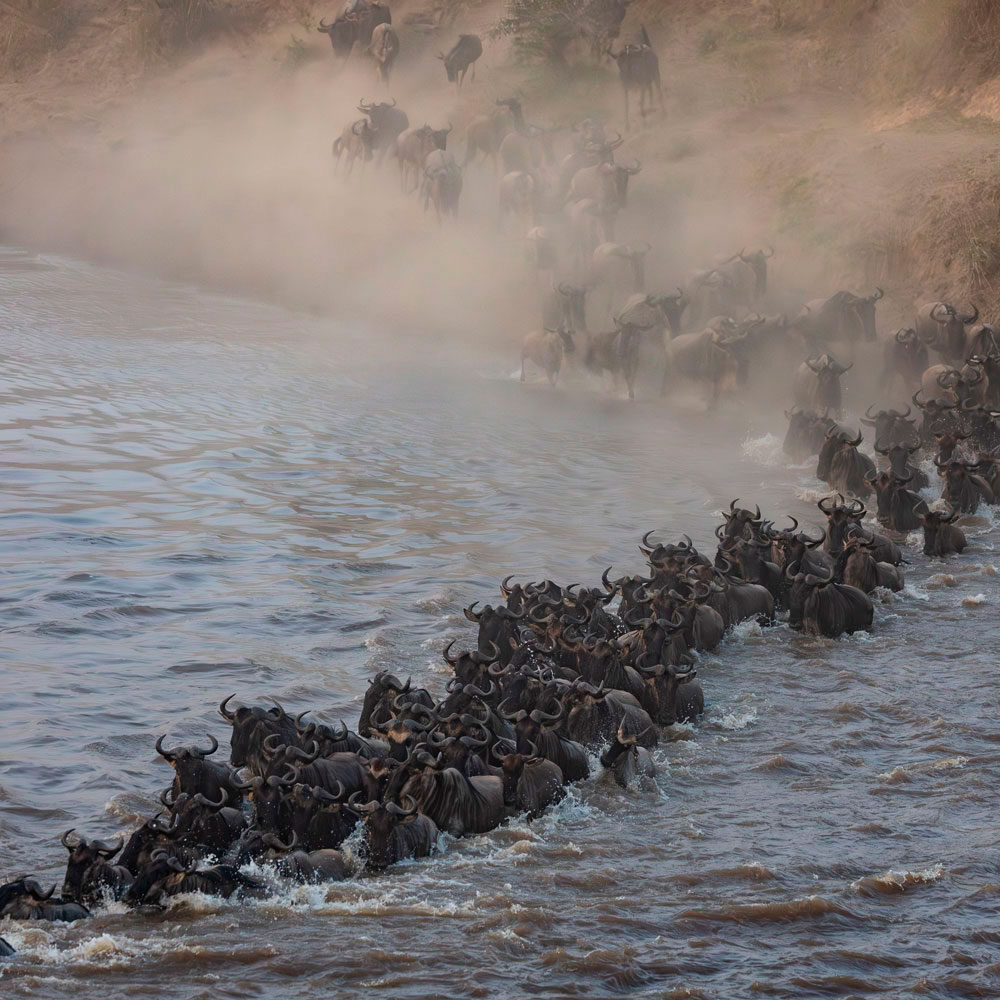
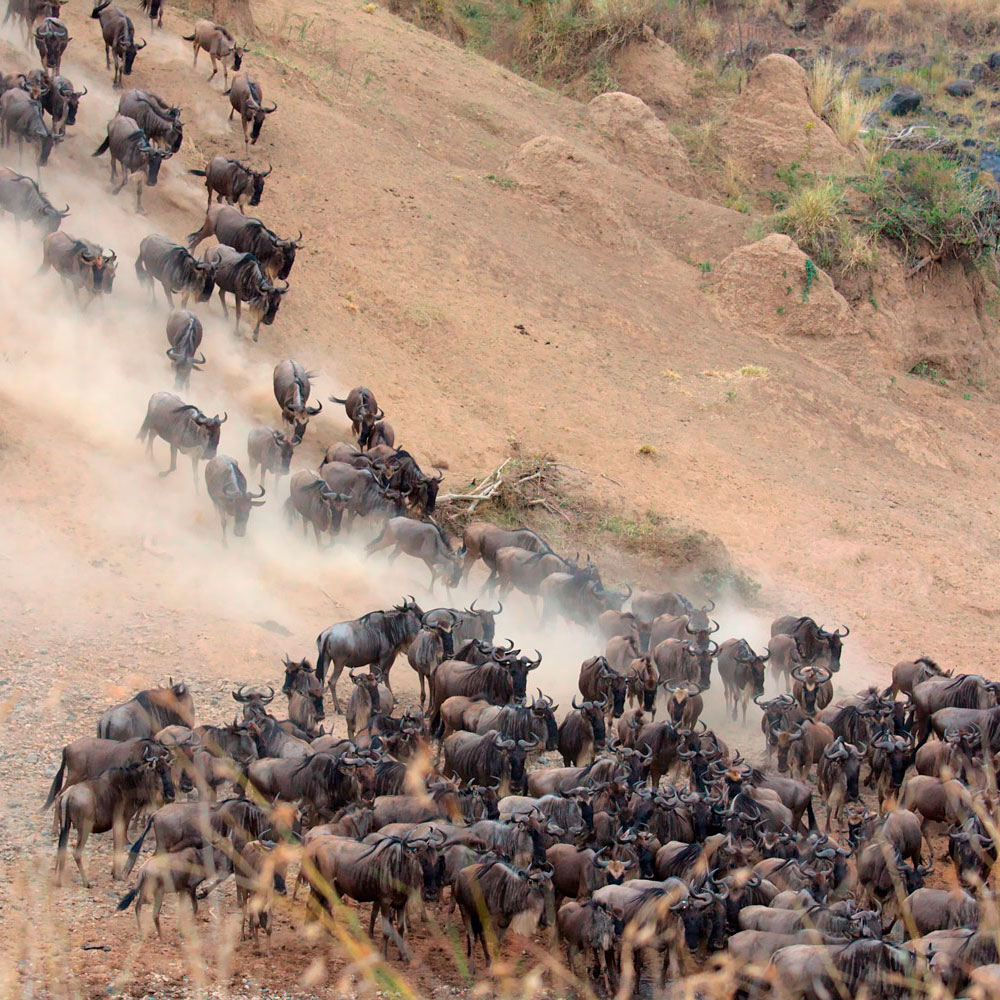
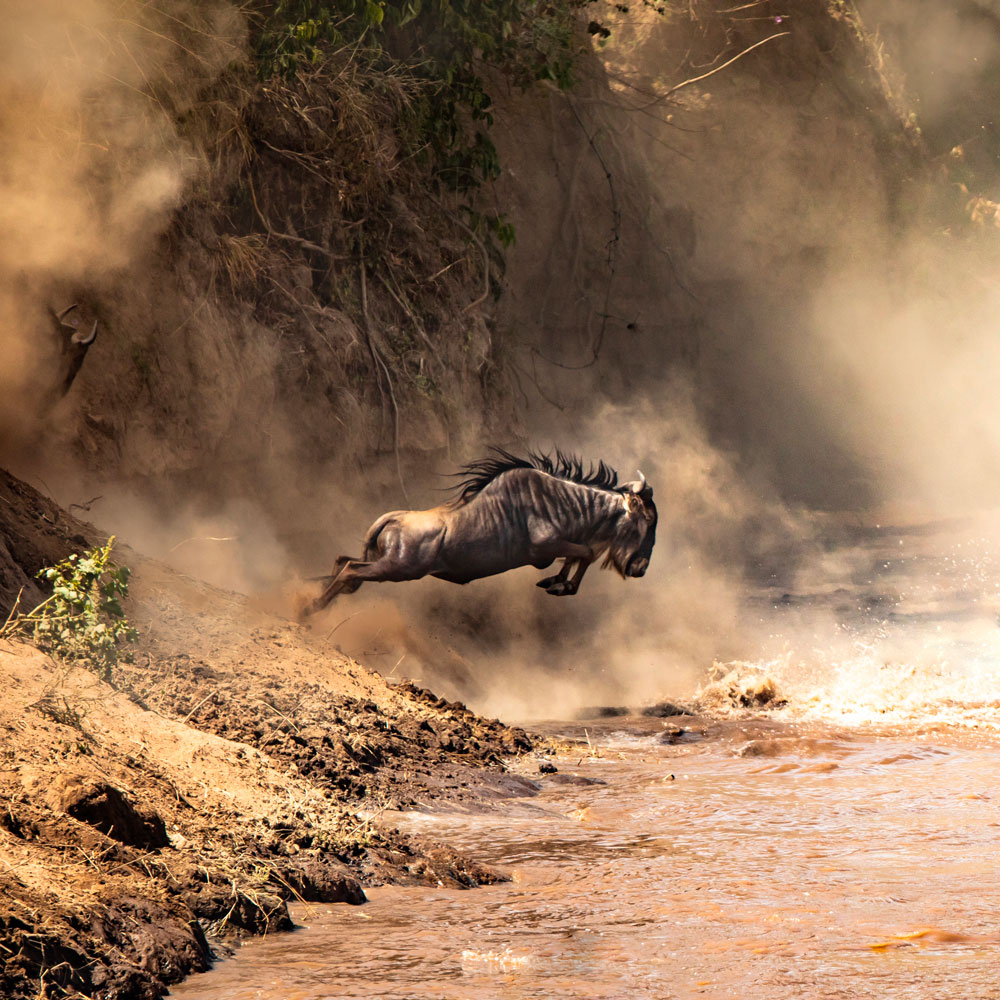
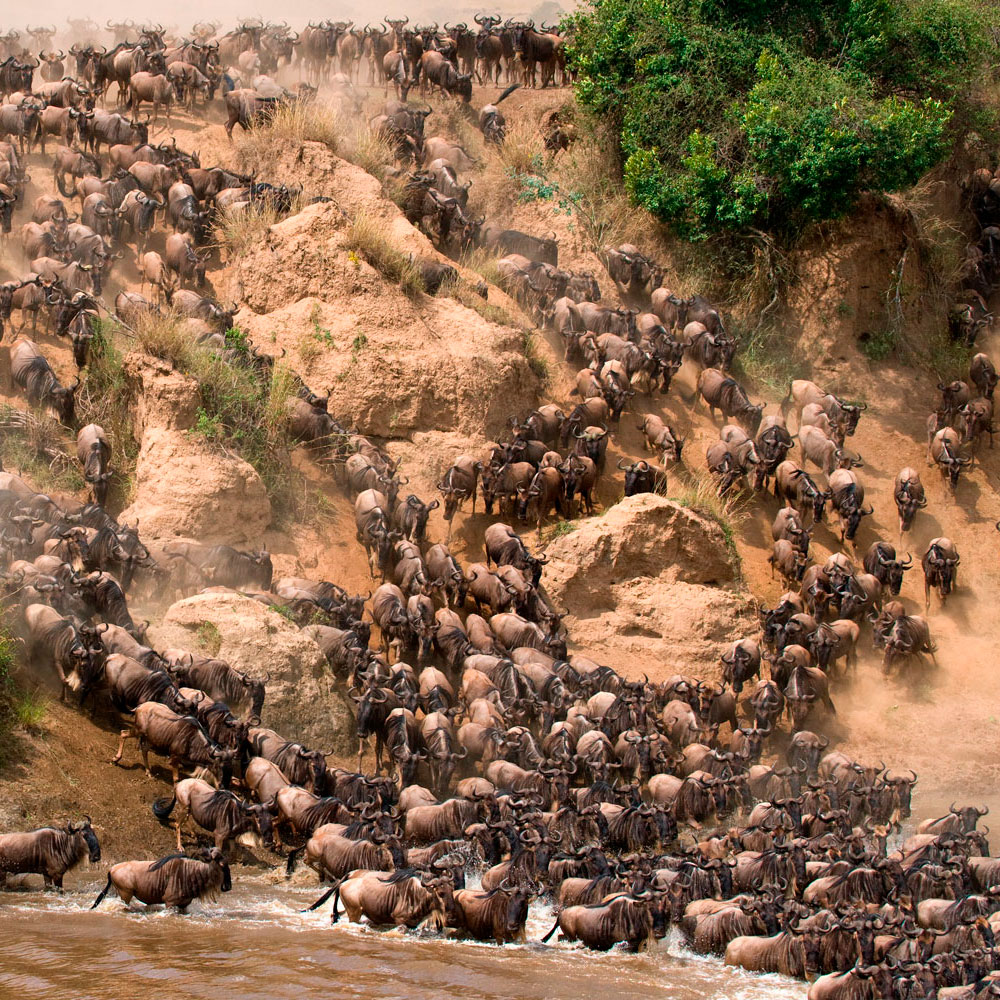
We're traveling to Kenya in July and will try not only to see elephants, giraffes, lions, rhinos, hippos, buffalo, and many other animals and birds, but also to witness the Great Migration in the Masai Mara National Reserve, when huge herds of zebras, antelopes, and gazelles migrate from Tanzania to Kenya in search of better grazing, pursued by predators.
In addition to exciting safaris, we suggest diversifying our trip with a visit to the amazing island of Lamu to see the oldest Swahili settlement in East Africa, the endlessly atmospheric and colorful city, a UNESCO World Heritage Site, and enjoy the white sandy beaches on the ocean.

Duration
10/14 days
Comfort
Group
up to 6 persons
Age
18+
Region
Kenya

Trip organizers:

Traveler Victoria Shatalova

VIKTORIA SHATALOVA

Professional traveler, author's trip organizer with 16 years of experience. She has visited 37 countries around the world and 82 regions of Russia. Organizer and participant of numerous hikes, rafting trips, car trips, and climbs, including an ascent of Africa's highest peak, Kilimanjaro (5,895 m). Read more


Traveler Evgeny Androsov

EVGENY ANDROSOV

Professional traveler, climber, mountain guide, and tour instructor with 35 years of experience. Has visited every continent, in 82 countries of the world and 72 regions of Russia. Organizer of hundreds of author's trips, expeditions, hikes, climbs, creator of many new, unconventional tourist routes... Read more

Itinerary day by day:

Nairobi

Arrive in Nairobi, Kenya's capital, and check into your hotel. You can arrive at any time, but if you arrive in the morning or early afternoon, you'll have time to explore the city center and see key landmarks, such as the Jamia Mosque, the Basilica of the Holy Family, the Uhuru Gardens, the Jomo Kenyatta Monument, and the Kenyatta International Conference Centre. If you wish and have time, you can visit the National Museum of Kenya or the Nairobi Snake Park, a unique zoo dedicated to the study, conservation, and exhibition of the rich diversity of snakes, as well as other reptiles and amphibians found in Kenya and other parts of Africa.

Read more

Hell's Gate National Park - Olkaria Geothermal Resort - Naivasha

We begin our exploration of Kenya's amazing natural landscapes. We'll head to the Great Reef Valley, where we'll visit Hell's Gate National Park, a unique protected area renowned for its spectacular landscapes and geothermal activity. The park features deep, rugged gorges, towering cliffs, and surreal rock formations. This is one of the few national parks in Kenya where hiking is permitted (as there are no predators), and we'll certainly take advantage of this opportunity to stroll through breathtaking landscapes, including Hell's Gate Gorge. Hell's Gate is known for its geothermal activity: hot springs and geysers are scattered throughout the park. This geothermal activity led to the creation of the Olkaria Geothermal Resort, which we'll also visit. Here you can swim in a lagoon with healing thermal waters against a backdrop of picturesque nature.

By evening, we will arrive in the vicinity of Lake Naivasha, where we will check into a hotel or lodge.

Read more

Lake Naivasha - Nakuru

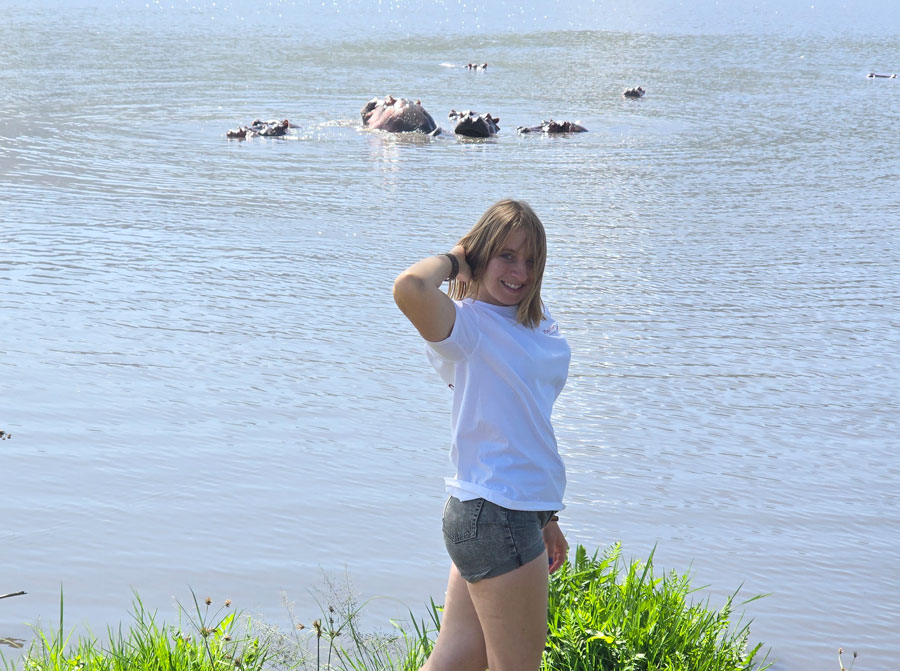
We'll explore the unique nature and wildlife of Lake Naivasha. This freshwater lake is known for its diverse birdlife and is also home to hippos, which can be seen right in the water. We'll take a boat ride on the lake and then disembark on Crescent Island, where we can continue exploring the amazing nature of this area. During a hike around this small island, you might encounter wildebeest, zebras, impalas, hippos, gazelles, giraffes, aquatic antelope, and a variety of birds. There are no predators on the island, so the hike is safe. After the island tour, we'll return to the mainland, board our vehicles, and head to the town of Nakuru, where we'll check into our hotel.

Nakuru

Nakuru National Park, located around the lake of the same name, awaits us. Lake Nakuru is known as the home of flamingos, the park's signature bird. In addition to flamingos, Lake Nakuru National Park is home to over 400 bird species (including the marabou hawk, fish eagle, lappet-faced vulture, great white pelican, hamerkop, malachite kingfisher, white-throated bee-eater, lilac-breasted roller, and bronze cuckoo), 70 mammal species, including black and white rhinoceroses, various antelopes, Rothschild's giraffes and hippopotamuses, hyenas, lions, and leopards, several reptile species, and over 200 plant species, mostly adapted to life in dry, saline soils. In 2011, Lake Nakuru was designated a UNESCO World Heritage Site. We will visit the lake and go on a safari through the national park.

Nakuru – Maasai Mara National Reserve

We'll leave Nakuru and head to perhaps Kenya's most famous national reserve, the Maasai Mara. We'll camp or lodge in the immediate vicinity of the reserve, and visit a Maasai village, the indigenous people of this area, where we'll learn about their culture and way of life.

Masai Mara National Reserve

Today we'll spend the day exploring the Maasai Mara National Reserve. We'll embark on a game drive, offering a high chance of encountering all of Africa's famous "Big Five": elephant, lion, rhino, buffalo, and leopard. The park features open savannah landscapes, perfect for animal viewing. The Maasai Mara boasts one of the highest concentrations of predators in the world. We'll also observe herds of antelope, zebra, and gazelle. From July to September, Kenya experiences the Great Migration of herbivores, during which hundreds of thousands of animals move from one grazing area to another, crossing waterways, one of which is the Mara River, which flows through the reserve. We hope to be lucky enough to witness the spectacular sight of a huge herd crossing a river to escape crocodiles.

In the evening, we return to our campsite or lodge near the Masai Mara.

Masai Mara National Reserve - Amboseli National Park

We leave the Masai Mara and head to a completely different, but no less interesting, national park – Amboseli. To get there, we'll travel 450 km. The journey will take a full day, including a stop for lunch. In the evening, we'll check into a hotel, campsite, or lodge in the immediate vicinity of the park.

Amboseli National Park

An exciting safari awaits us in Amboseli National Park. The park is renowned for its stunning views of Mount Kilimanjaro and offers a wealth of wildlife, especially large herds of elephants roaming freely against the backdrop of Africa's highest mountain. We'll spend the night in Amboseli.

Amboseli - Nairobi

After breakfast, we depart for Nairobi, a journey of approximately 250 km. Upon arrival in the capital, we check into a hotel and rest.

Flight home or to Lamu Island

Flight home, or you can continue your journey to Lamu Island to immerse yourself in history, enjoy the seascapes, and relax on the beach.

For those who decide to continue their Kenyan journey, we'll fly to Lamu Airport. The fun begins on the way to the island. Lamu Airport is located on the neighboring island of Manda. Therefore, after landing, our journey to the hotel will begin with a boat ride rather than a taxi. We can choose to stay in the historic part of Lamu, closer to the sights, or in the village of Shela, known for its beaches (we'll discuss this with you individually). The distance between Lamu and Shela is about 4 km, and can be covered by boat (they depart regularly from the pier in the city center) or by foot along a trail. A unique feature of the city is the complete absence of cars. The streets of the old town are so narrow and winding that it's impossible to navigate them by car. The absence of motorized transport helps preserve the unique atmosphere of the island, where time seems to have stood still for centuries.

Lamu

Let's explore the amazing city of Lamu, rightfully considered one of the most charming and authentic corners of Kenya. Here, Eastern traditions blend with African flair, creating a unique cultural landscape. The city is listed as a UNESCO World Heritage Site as the oldest and best-preserved Swahili settlement in East Africa. The city's atmosphere is unique; in the absence of cars, donkeys are the main mode of transportation, a true symbol of the island. The city's architecture is captivating: coral stone houses, cool courtyards, and famous carved wooden doors, each a work of art. You can see even more unique carved doors and learn about the island's history at the Lamu Museum. Lamu Fort, built in the early 19th century, is also worth a visit. In addition to its impressive appearance and historical significance, the fort offers stunning panoramic views of the city. Also worth visiting is the Swahili House Museum, a carefully restored 18th-century mansion that offers a glimpse into the traditional way of life of wealthy citizens of the past.

Shela Village

We'll spend the day in Shela Village and relaxing on the seashore. Shela is where dense urban development ends and endless white dunes begin. Shela Beach is considered one of the most beautiful and tranquil in the region. Here, you can not only swim in the pristine ocean waters but also admire the luxurious villas, where traditional Swahili architecture elegantly blends with modern comforts.

Lamu Island – Manda Island

We suggest visiting the medieval city of Takwa, located on neighboring Manda Island. The ruins of an abandoned Muslim settlement were discovered in the second half of the 20th century and declared a national monument. It is believed that the city was inhabited from the 1500s to the 1700s, and then, for some reason, the inhabitants abandoned Takwa. According to one theory, they could not withstand confrontation with neighboring tribes from Pate Island, while another suggests salinization of the fresh water. The picturesque ruins of Takwa retain traces of streets, giving a general idea of what the city once was. Accessible by boat through the mangroves. You can spend the rest of the day relaxing on the beach or exploring Lamu.

Flight home

We'll take boats to the airport and fly home.

Organizational fee:  
3390
3990 (with a rest on Lamu Island)

The registration fee includes:

  • transfer from/to Nairobi Airport;
  • all transfers within route;
  • accommodation in hotels, guest houses, campsites, or lodges along the route;
  • breakfasts;
  • permissions for Visit to all specially protected natural areas specified in the itinerary;
  • Obtaining an electronic permit to travel to Kenya (similar to a visa);
  • Safaris and excursions specified in the itinerary;
  • Visit to the Olkaria geothermal resort.

The registration fee does NOT include:

  • air tickets, including domestic flights;
  • dining in cafes and restaurants;
  • visiting the National Museum and Snake Park in Nairobi;
  • medical insurance,
  • tips for local guides, drivers, and other service personnel;
  • visits to museums and attractions not listed in the program;
  • other expenses not listed in the "included in the price" section;

The trip is easy and suitable for anyone. However, please note that our itinerary is very packed, and the sights are located quite far from each other. Therefore, please be prepared for long drives, including poor roads and early mornings. Accommodation is provided in hotels, guesthouses, comfortable campsites, or lodges. Accommodation is based on double occupancy (single occupancy is available for an additional fee).

Read more

Kenya is located at the equator, and although July is considered one of the coldest months of the year, temperatures in Nairobi and the surrounding area range from 20 to 26 degrees Celsius during the day and from 14 to 17 degrees Celsius at night. Lightweight and comfortable clothing is recommended. For protection from the sun and dust during safari, it's best to wear trousers and long-sleeved shirts. Don't forget a hat, sunglasses, and sunscreen. Comfortable footwear is essential. A warm sweater and windbreaker are useful for evenings and mornings, and a raincoat is a good idea in case of rain. A swimsuit is recommended for visiting the hot springs and on Lamu Island. Please note that Lamu is a conservative Muslim city. For walking around the Old Town, wear modest clothing that covers your shoulders and knees.

Read more

Citizens of many countries do not require a visa to travel to Kenya. Instead, they must obtain an Electronic Travel Authorization (eTA) on the official Kenyan government website. This must be done at least one week before travel. Please review visa information and, if required, obtain a visa or eTA.

There are no mandatory vaccinations required for entry into Kenya.

All air tickets are purchased by participants themselves! This is now possible again – purchase tickets through aggregators in rubles using Russian bank cards. The trip organizer will provide detailed advice to each participant about the options for purchasing tickets, but the participants are responsible for purchasing them.

It is best to bring cash in US dollars (issued no later than 2013); these can be exchanged for local currency on arrival. Foreign bank cards are accepted in shops, museums, and national parks, and payments via the M-Pesa mobile app are common (you can top up your account with cash at terminals, but you'll need a local SIM card). Cash can be useful for payments in small shops and markets, for tipping staff, for private excursions, and for paying for purchases and boat services while on Lamu Island. It's best to always have small bills, as boatmen and shopkeepers on Lamu Island often don't have change.


Tipping is not obligatory in Kenya, but is considered a polite gesture of gratitude for good service. They are especially prized in the safari and hotel industries.

IMPORTANT TO UNDERSTAND! Please keep in mind that the timing of the "Great Migration" of animals is a very arbitrary concept and depends on many natural factors, none of which are under our control. There is a chance you won't see the massive event known as the "Great Migration," nor the "Big Five" African animals. However, in any case, a safari in national parks will be spectacular!

Read more

1. If you are interested in this tour, leave a request through the registration form on this page or write to us at WhatsApp, Telegram or by email, we will contact you and answer all your questions.
2. To reserve a place, you must make an advance payment of 30% of the tour cost. The advance payment is made through the website (section Payment) and is refundable 45 days or more before the start of the tour and non-refundable, unfortunately, less than 45 days before the start, if the refund is related to your refusal to participate (for any reason). If the tour does not take place due to our fault, due to the group not being formed, or due to force majeure, the advance payment will be guaranteed to be returned to you in any case.
3. The final payment is made on the first day of the tour. You can pay using the QR code that the tour organizer will provide you, in cash, or through the website.

© The program description uses licensed stock photos from Shutterstock.