Kayaking on the Chusovaya River
from Sloboda to Ust-Utka
Travel dates: May 8–16, 2027
Travel organizer:
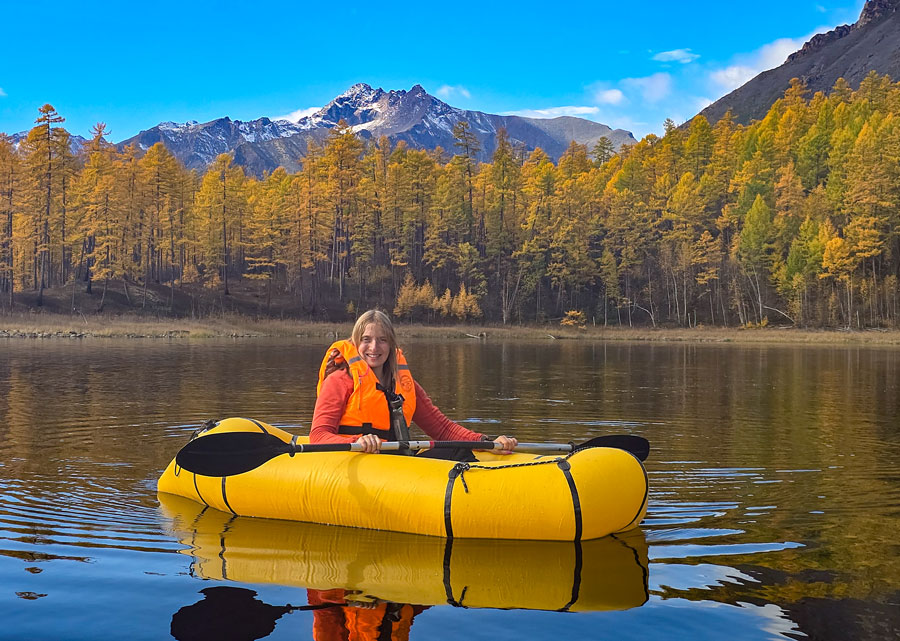
VICTORIA SHATALOVA
A professional traveler and organizer of original trips with 17 years of experience. She has visited 40 countries around the world and 83 regions of Russia. Participant and organizer of numerous road trips, hikes, rafting trips and ascents, including ascents of Kilimanjaro (5895 m) and Elbrus from the east (5624 m), the highest and most dangerous volcano in Eurasia - Klyuchevskaya Sopka (4850 m), summer and winter ski trips in the Northern, Subpolar and Polar Urals, the Murmansk region and the Kuznetsk Alatau.... Learn more
Itinerary day by day:
Yekaterinburg - Sloboda Village
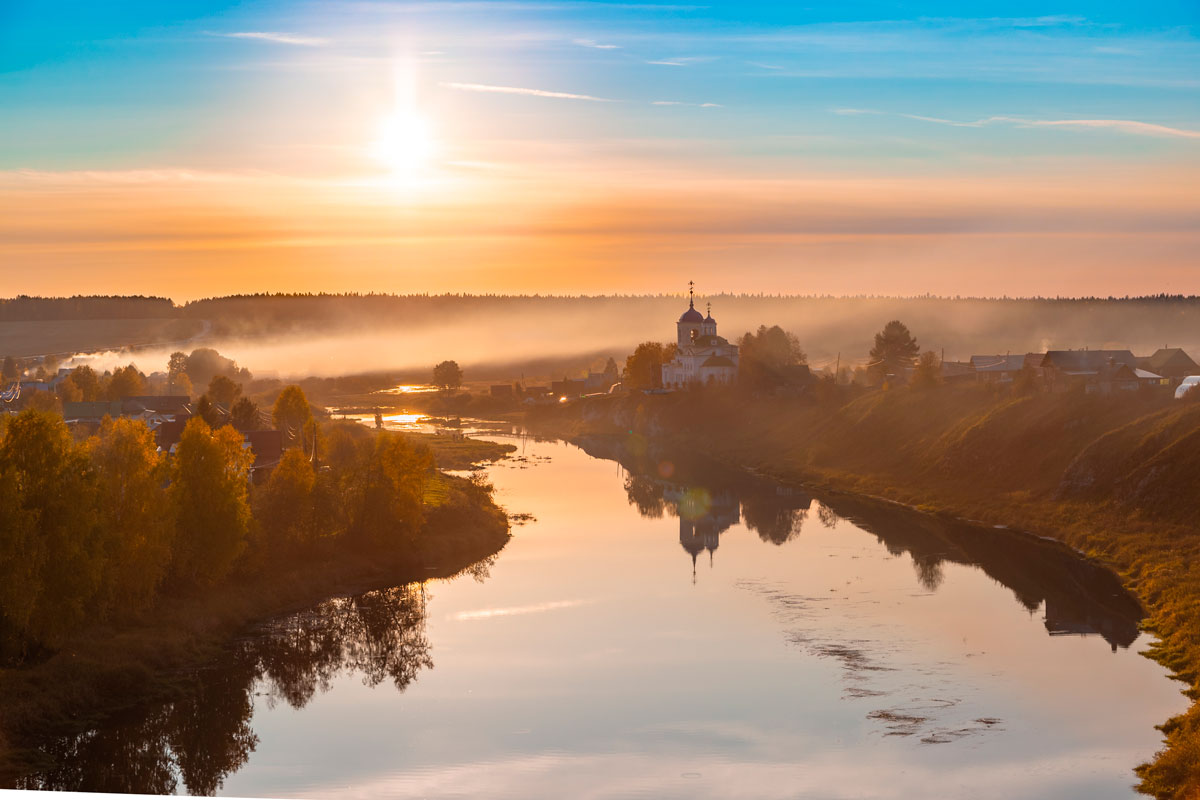
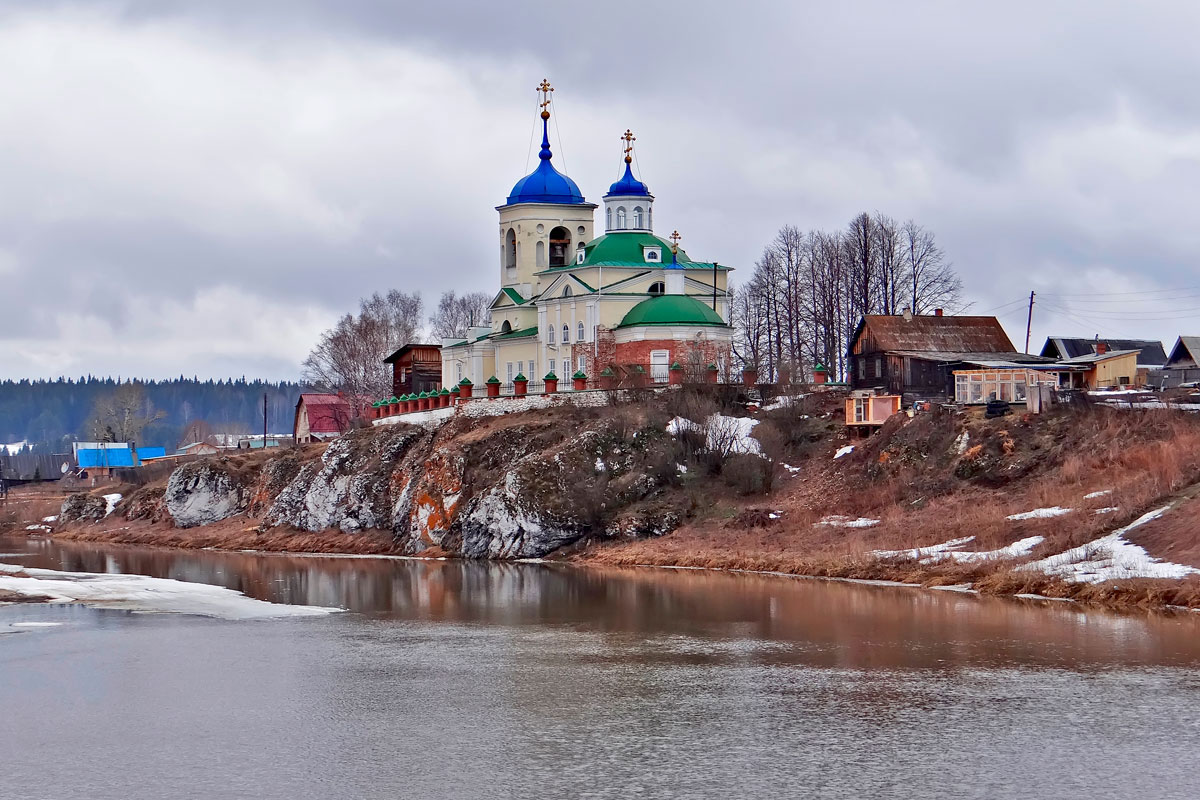
Meet us in Yekaterinburg. We'll be transferred (95 km, about 1.5 hours) to the banks of the Chusovaya River in the village of Sloboda, where we'll set up camp, have a snack, and then explore the sights of this interesting and picturesque place.
The village's main landmark is the 19th-century St. George's Church. Many consider it the most beautiful in the Urals. The church is unusual in that it stands directly on a cliff above the Chusovaya River. During Soviet times, the church was not destroyed, making it very popular among believers from all over the surrounding area. We'll hike to the picturesque Sloboda Stones, massive limestone coastal cliffs offering stunning views of the village of Sloboda and the surrounding area, and also take a tour of the Kourovskaya Astronomical Observatory named after K. A. Barkhatova, the only astronomical observatory in the Urals.
We'll spend the night in a tent camp near the village of Sloboda before beginning our rafting trip down the Chusovaya River in the morning.
Sloboda - Kamenka - Treka
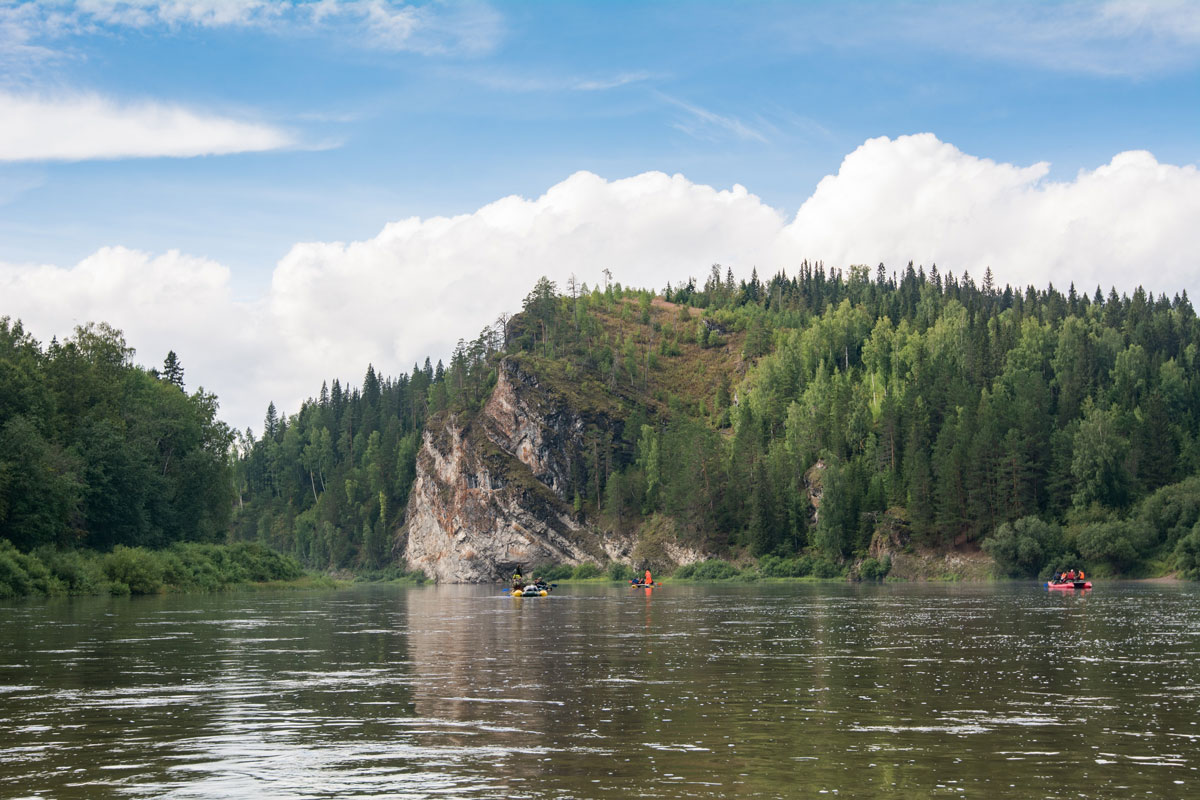
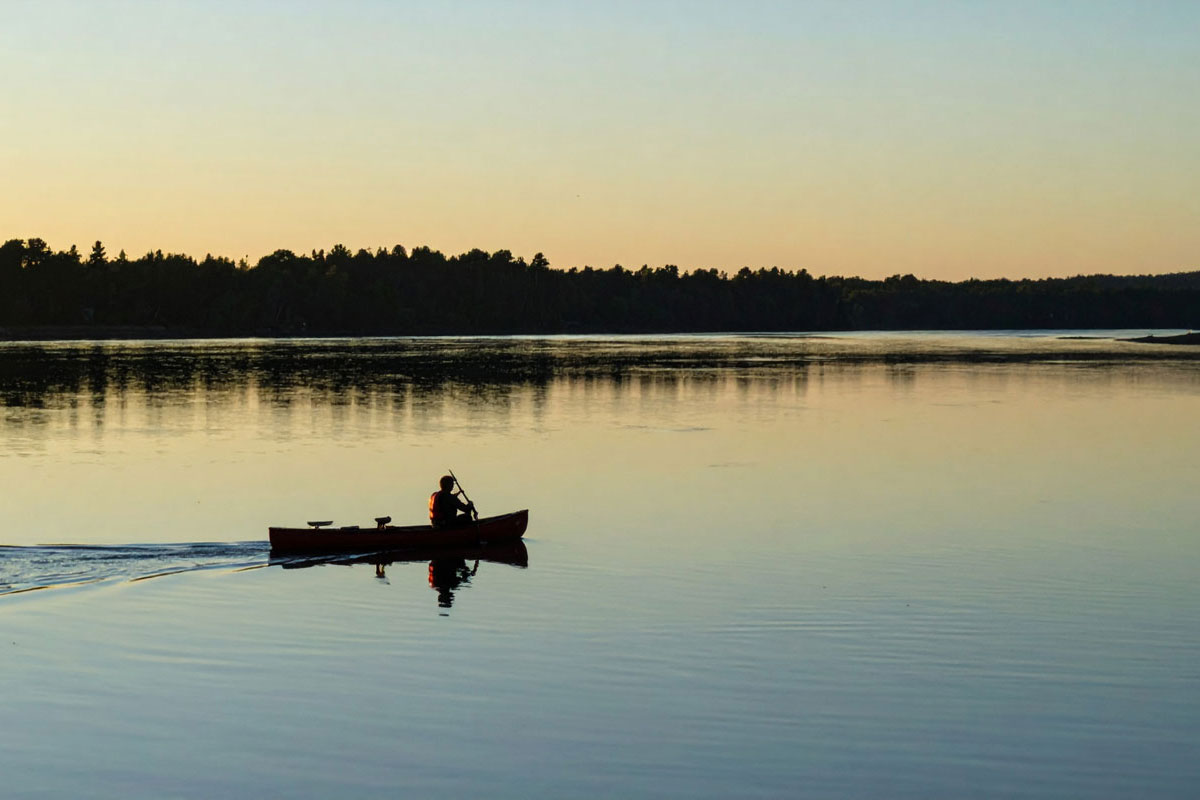
After breakfast, we pack up camp and set off on a boat trip, admiring picturesque forests and cliffs. By lunchtime, we'll reach the village of Kamenka, often called the "Ural dream factory" because, in addition to its enchanting natural beauty, it's also famous for being the film set for several feature films, some of whose sets have been preserved. We'll disembark, stroll through the village, and explore it. Continuing our boat trip, we'll pass Nizhnee Selo. In 1720, iron ore deposits were discovered nearby, leading to the Nizhnederevensky mine. We'll spend the night near Treka, a center of Old Believers until the mid-19th century and now a small, quiet village.
We'll travel 20 km along the river this day.
Treka - Vysoky Kamen - Kurya
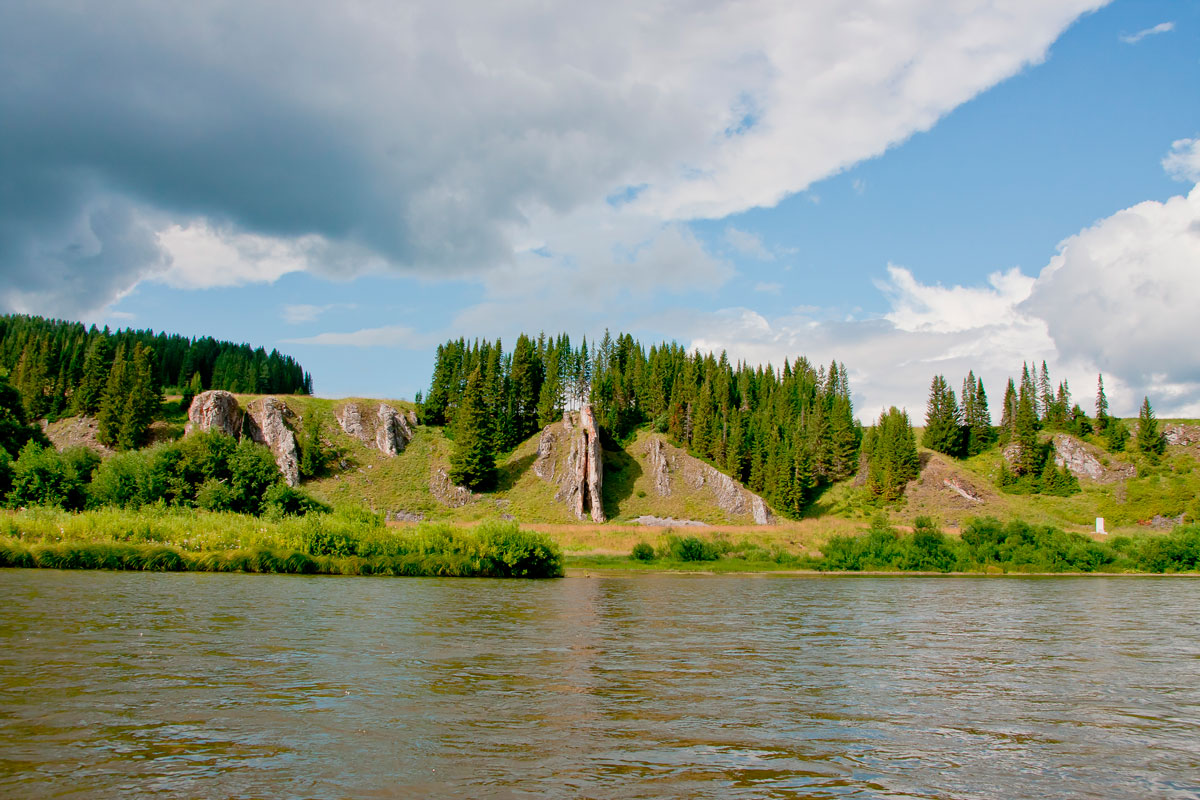
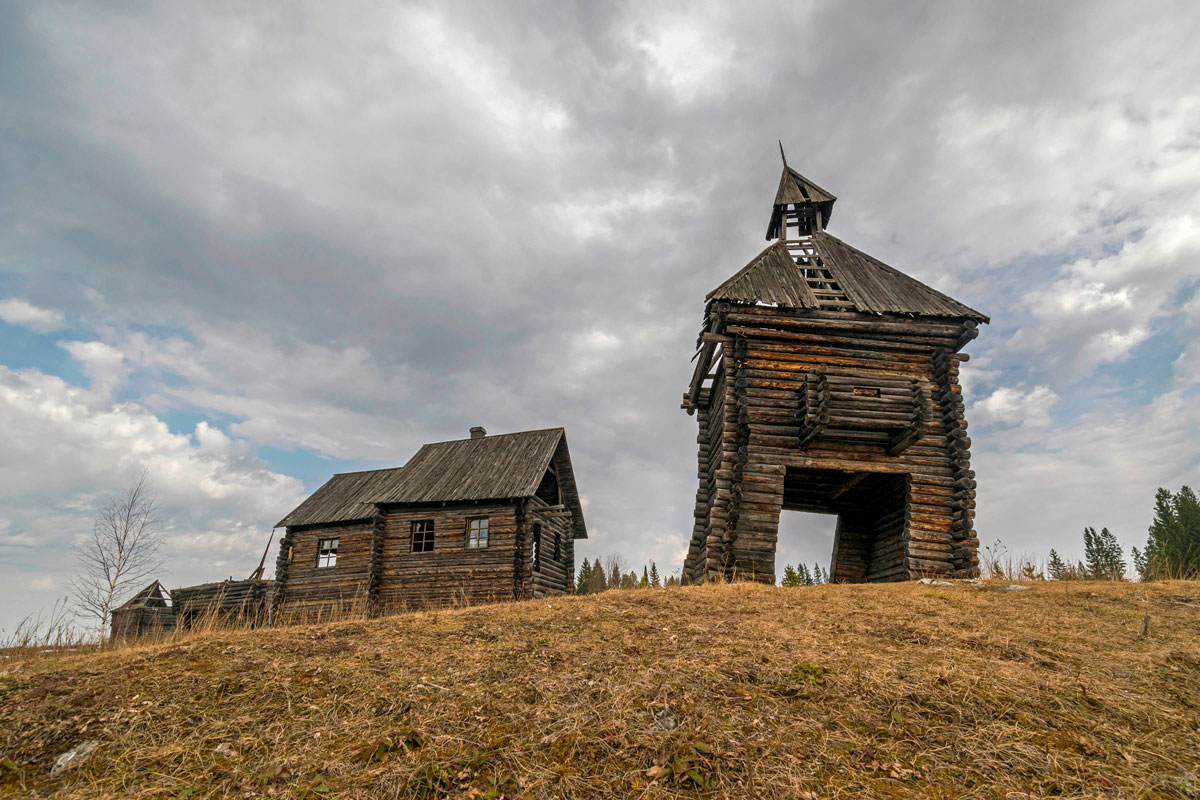
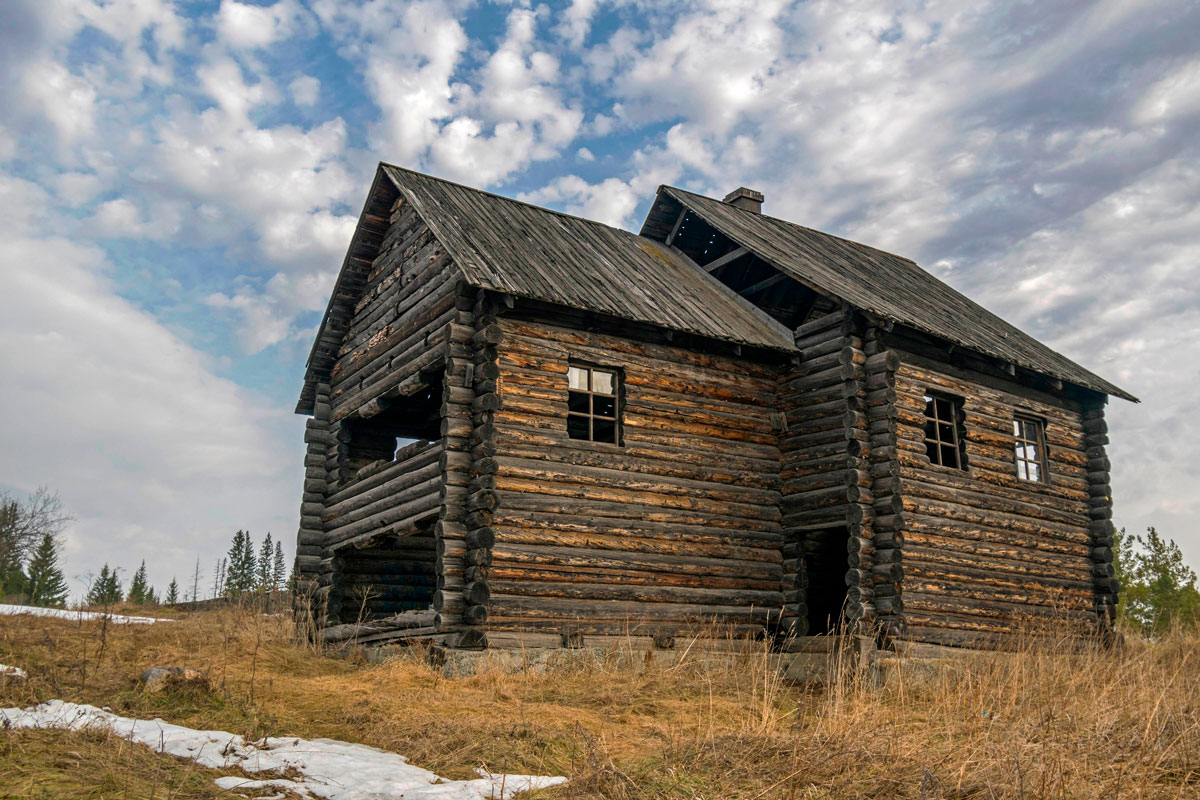
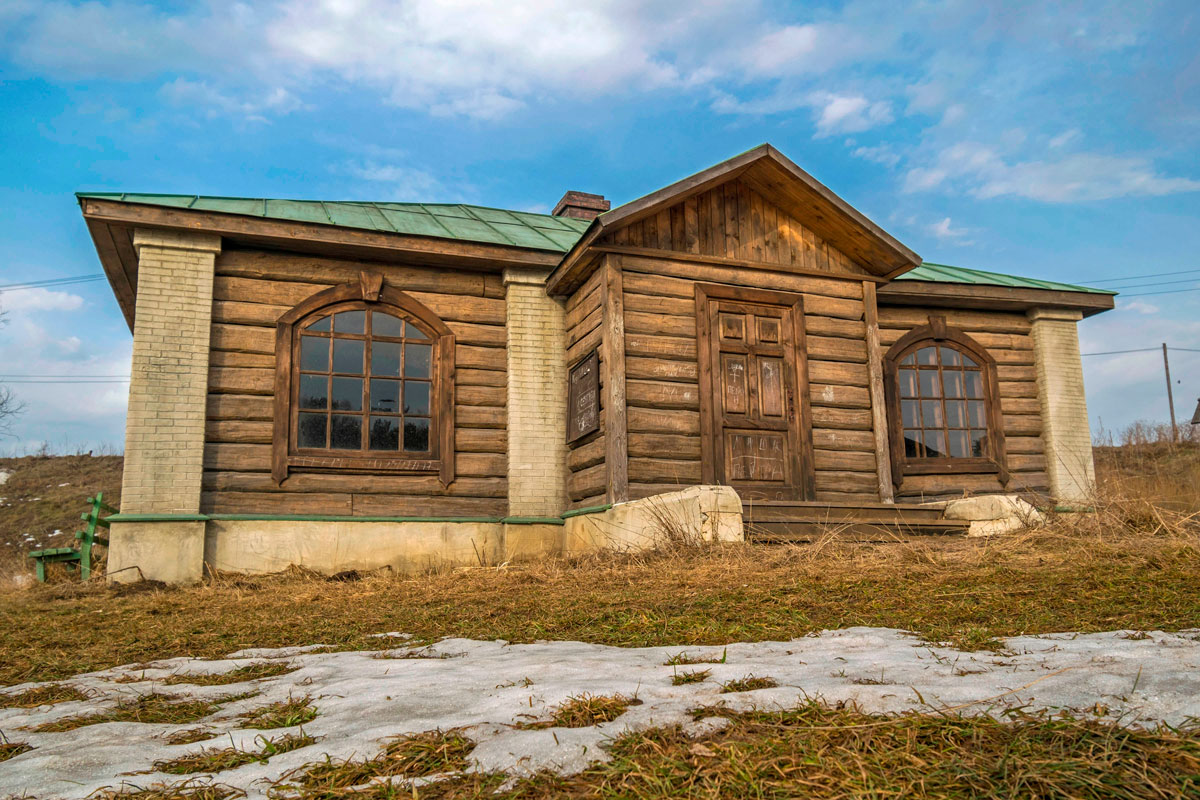
We continue along the river, observing numerous rocks, or as they're called here, along the banks. The most noticeable is Vysoky Kamen. This 30-meter-high rock is one of the most beautiful and memorable on this stretch of the river. Vysoky Kamen was once a battlefield; barges carrying ironworks' products were repeatedly struck against it. On the right bank, in front of the rock, stood powerful mooring posts, or "grafts," to which barge haulers attached ropes to moor their barges for the night or a temporary stop. We will stop for the night near the ancient village of Kurya. The village was founded by peasants from Solikamsk in 1671, and since 1720, it has had a state-owned wharf. Nowadays, the village has largely become a summer cottage community.
We'll travel 25 km along the river in a day.
Staroutkinsk - Boyarin Stone
Today, we'll pass by the large urban-type settlement of Staroutkinsk, where we'll make a stop, as this town has a rich history. In 1729, Akinfiy Demidov commissioned an iron smelting and ironworks on the Utka River. The Staroutkinsk plant became the first full-cycle metallurgical enterprise in the Chusovaya basin, complete with blast furnace production. The plant's machinery was powered by water power. The plant was repeatedly reconstructed and operated until the second half of the 20th century. Today, the old factory workshops are in ruins, but even in this state, the crumbling blast furnace building, standing near the dam, evokes awe in its scale and architecture.
After leaving Staroutkinsk, we continue our rafting past numerous rocks and boulders. We'll stop for the night near Boyarin Rock, apparently named for its resemblance to a tall boyar's hat. Here, the river makes a sharp turn of more than 90 degrees.
We'll travel 18 km along the river in one day.
Maksimovsky Stone - Gardym - Konyi Ushi - Chusovoye Village
Our goal for today is to reach Chusovoye Village. We'll pass a row of stones, among which the rather large Maksimovsky Stone stands out. Further along the left bank stretches a series of picturesque, fairly high cliffs of light-gray limestone. They are called Gardym and Korabli (or Konyi Ushi). The most interesting is Gardym Stone, shaped like a tooth. At the base of this cliff is a picturesque through-hole cave. On the other, right bank of the Chusovaya River, upstream, rises Mosin Stone, a high sheer cliff, also a natural monument.
The village of Chusovoye is associated with the name of Akinfiy Demidov, who founded the Shaitansky Ironworks here in 1727. In the center of the village is a dam, thanks to which a picturesque pond was created on the Shaitanka River. Below the dam, on the left bank slope, among the thickets, you can find the remains of an ancient stone-lined barge harbor.
The village's main architectural landmark is the old two-story wooden house of the caravanner (the head of metal rafting on the river). Also of interest is Ilyina Gora with its gazebo, which offers beautiful views of the village. After exploring the sights of Chusovoye, we'll head downriver and settle in for the night.
We'll travel 18 km along the river in one day.
Martyanovskaya Arc - Vladychnye Kamki - Kamenka River - Volegov Stone
We will walk along a bend in the river known as the Martyanovskaya Arc, which forms an almost complete circle with a neck of approximately 100 meters. The Martyanovskaya Arc is a landscape and historical natural monument with numerous rock outcrops where fossils can be found. The most beautiful rocks of the Martyanovskaya Arc are the Maly and Bolshoy Vladychny Stones. The first rock you'll encounter is Maly Vladychny Stone. The rock mass is divided at the top by a small depression, which adds to its charm. Even more beautiful is Bolshoy Vladychny Stone, reaching a height of 35 meters. Here, the Chusovaya River makes a sharp 90-degree turn. In the past, Vladychny was a fighting rock, on which barges could be wrecked. Further around the bend, the fast-flowing Kamenka mountain river flows into the Chusovaya on the left. This is a very beautiful place. Picturesque clearings on both sides of the river, spreading spruce trees, and a fast-flowing mountain stream.
Also of interest is the Volegov Stone (or Volegov Stones). It's quite small and unremarkable, but because of the current that carries it directly, barges often crashed here: "Volegov is a fighter, a terrible fighter," they said of him. In 1858, four barges were wrecked on the Volegov Stones, and in 1861, even more—five barges. After passing this interesting stone, we'll find a campsite and stop for the night.
We'll travel 30 km along the river in one day.
Ilim – Crane's Throat
We'll head to the former site of the village of Ilim. The village is famous for its pier, which appeared here in the 1720s. Ilim housed a shipyard where barges were built for transporting metal along the Chusovaya River. The Ilim shipyard built 100-112 barges annually. The stonework of the Ilim pier has survived to this day. It is the best-preserved pier in the Chusovaya Valley and is clearly visible from the river. This structure reaches a height of 3 meters and is approximately 20 meters long.
After the village of Ilim, our route will take us through an area known as Crane's Throat. The Chusovaya River makes several sharp 90-degree turns here, and along the way we'll see the rocks Kholostyak, Pesyanov, and Grebni. We'll stop for the night in this area.
We'll travel 20 km along the river in one day.
Sulyom Village - Romanova Village - Tolstik Island
We approach the village of Sulyom. This is an old village, founded in 1671. In the early 18th century, a pier was built here, from which barges carrying metal from the famous Nevyansk plant departed. The remains of the Sulyom pier remain at the mouth of the river. The village has an open-air museum containing a collection of ancient artifacts collected by a local enthusiast. Our route continues past the now-defunct village of Romanova and a stone of the same name, and then we reach Tolstik Island, named for its thick, high banks. The island divides the Chusovaya River into two parts; in front of the island is a stone of the same name.
We'll travel 19 km along the river in one day.
Ust-Utka
Today we conclude our rafting trip in the village of Ust-Utka. This village is also noteworthy, as it is the first Russian settlement in what is now the Sverdlovsk Oblast. Ust-Utka was founded at the confluence of the Mezhevaya Utka River and the Chusovaya River in 1574. Among the village's attractions are the remains of a pier built in the 1760s and 1770s, which immediately became the largest private pier on the Chusovaya River, the "Unity of Russia" monument, and the private Yesenin Museum, a rock garden with the poet's poems carved into them.
After lunch, a transfer will pick us up, and we will depart for Yekaterinburg. The journey will take about three hours. Tickets from Yekaterinburg to other cities should be purchased no earlier than 8:00 PM if by train and no earlier than 10:00 PM if by plane.
We'll walk 6 km along the river in one day, and travel 210 km by transport.